SINCE 2006百音集团BAIYIN GROUP
Contact 中文

BENESOUND / BANG & OLUFSEN

Collecting sound.
Experiencing design.

Every object holds a way of listening.
From our headquarters collection to our city stores, discover sound and design in everyday life.

BAIYIN COLLECTION

BENESOUND / Exceptional listening

06 CITIES   /   09 STORES
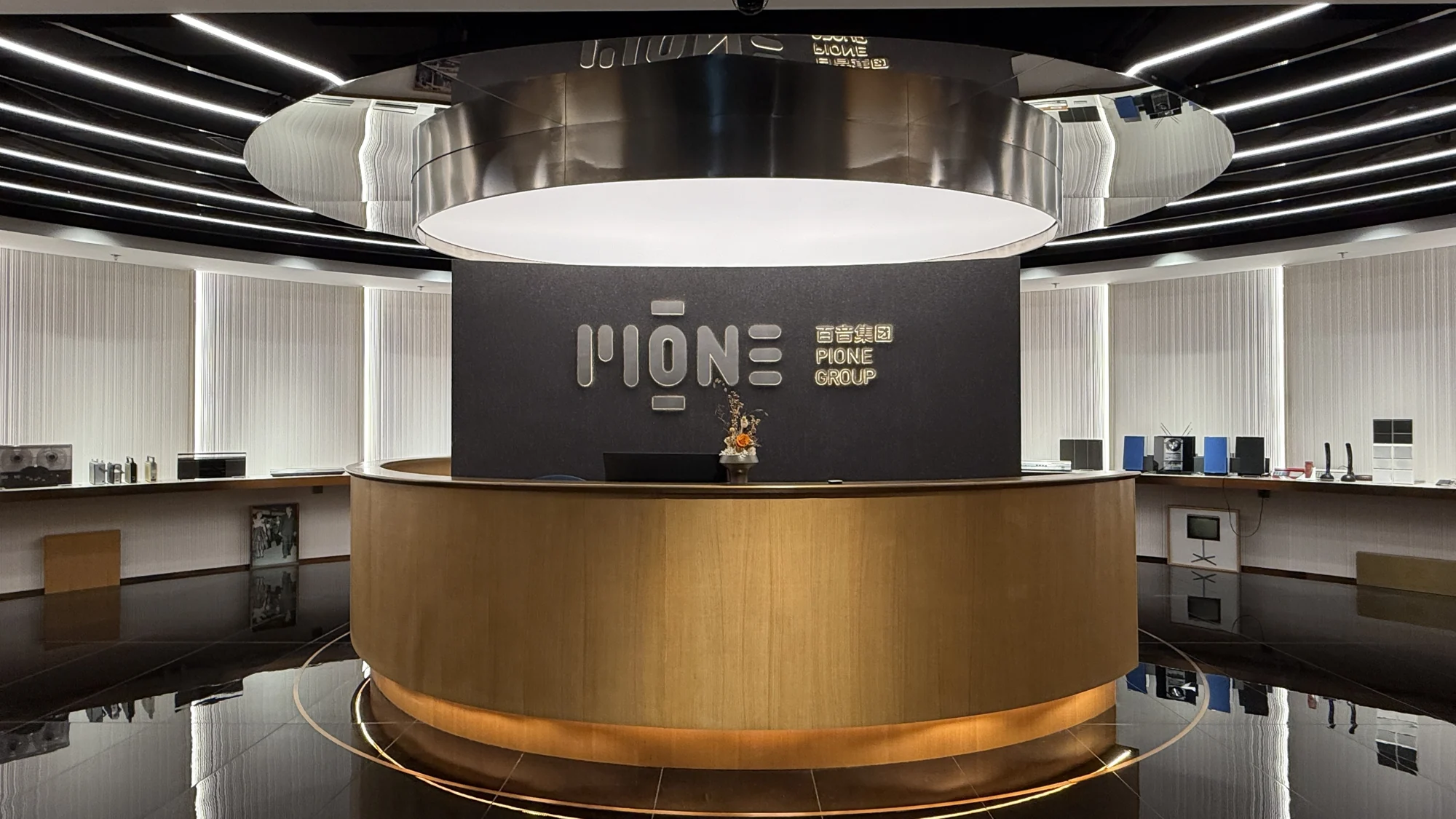
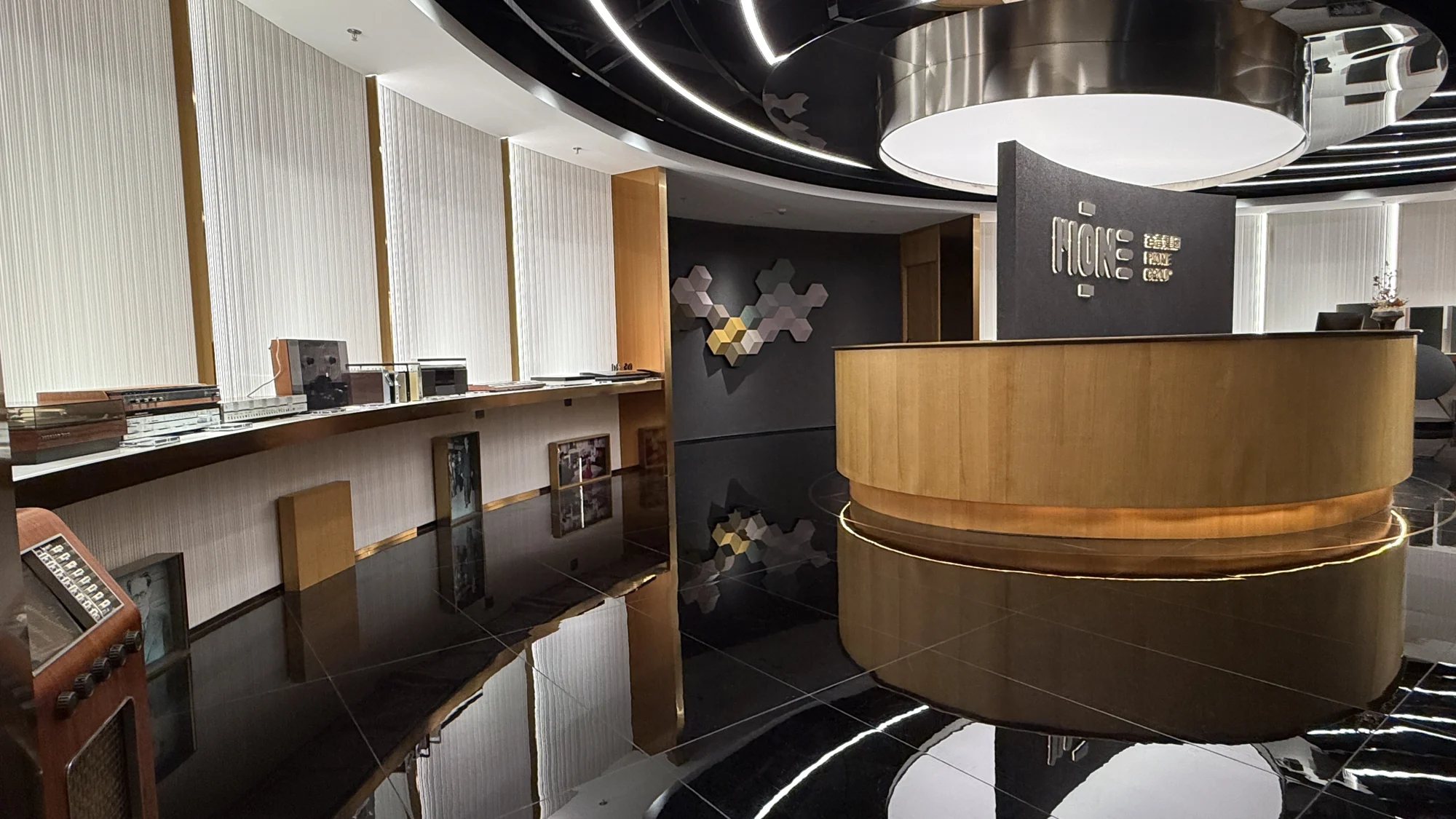
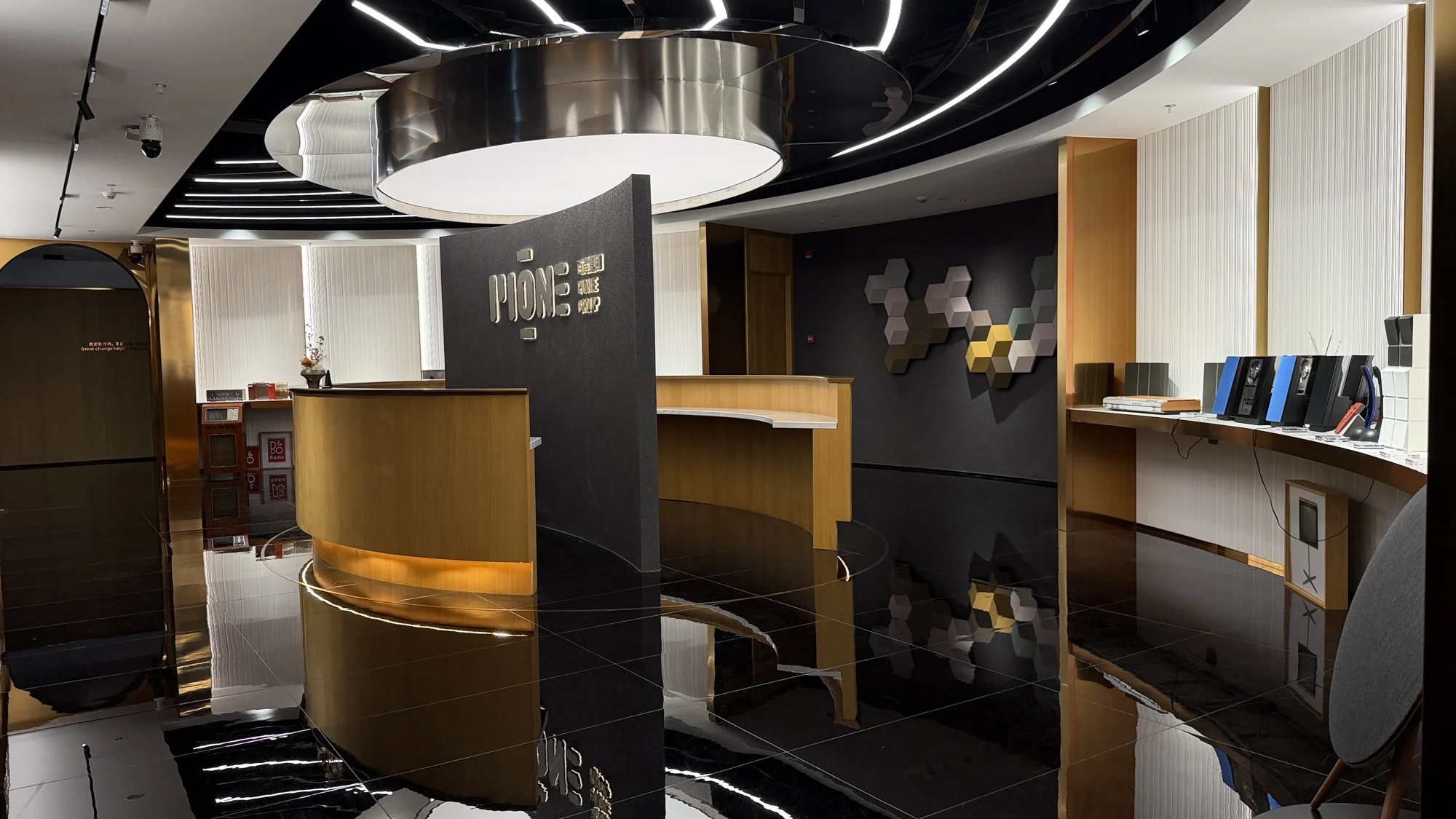
Reception and B&O collection at Baiyin R&D Headquarters
Baiyin R&D Headquarters · B&O collection

01 / THE COLLECTION

Living with the classics.

Our collection traces the changing relationship between sound equipment and daily life. Materials, mechanisms, interfaces and familiar gestures meet in these objects, offering tangible references for our work in technology and design.

TEN CHAPTERS OF LISTENING

Ten chapters in the way we listen.

Follow sound media, industrial design and everyday experience through the history of B&O. Historical references outline the period; collection links lead to the specific objects held by Baiyin.

BEFORE 1925 · THE PREHISTORY OF B&O

01From Recorded Sound to Radio

Sound travels across time and distance.

Historical referencesEdison phonograph (1877) · Early radio

Listening once required being near a sound source. Nineteenth-century recording experiments, the phonograph’s recording and playback in 1877, and later radio broadcasting changed when and where people could listen. Recorded sound preserved memories; broadcasting let distant listeners share music and news. Together, recording, transmission and reception extended listening across time and distance. This was the technological world into which B&O was founded in 1925.

A Baiyin reflectionFind opportunities by asking what limits the way people listen.
1925–1949

02Radio Enters Everyday Life

Bringing the wider world into everyday life.

Historical referencesEliminator · Beolit 39 (1939)

In the first half of the twentieth century, radio brought news, music and public events into homes. As listening became part of daily life, replacing batteries made convenience and reliability practical concerns. Founded in Denmark in 1925, B&O began with a battery-eliminating power supply, then explored connections between radios, furniture, materials and form. Advances in technology and design helped listening fit more naturally into everyday life.

A Baiyin reflectionLet technical progress ease the demands of everyday use.

1950–1964

03High Fidelity & Stereo

Hearing detail. Sensing space.

Historical referencesStereo pickup research

After the war, home listening pursued greater detail and space. High fidelity sought faithful reproduction; stereo used two channels to convey direction. The cartridge, amplifier and loudspeakers together shaped the sound. B&O explored converting tiny movements in record grooves into electrical signals. Reducing the moving mass of pickup components and improving channel response expressed an enduring challenge: better listening depends on care for signal detail.

A Baiyin reflectionTurn measurable improvements into differences people can hear.

1965–1974

04Design as a Method

Shape technology around everyday actions.

Historical referencesBeogram 4000 (1972)

As high fidelity entered homes, listening involved everyday actions: placing a record, choosing a source and adjusting volume. Equipment needed to reproduce music accurately, fit living spaces and serve people without technical expertise. B&O brought industrial design and engineering together. Tangential tracking, suspension and automatic operation linked lower tracking error and vibration isolation with ease of use. Design connected construction, operation and form, bringing technology into everyday life.

A Baiyin reflectionLet everyday actions guide design and technical decisions.

1975–1983

05Interfaces & System Thinking

Give every function its place.

Historical referencesBeomaster 1900 (1976)

As audio systems gained functions, selecting stations, switching sources and adjusting volume became frequent actions. Interfaces needed to make everyday controls easy to find while keeping finer adjustments available. B&O explored touch-sensitive controls and layered panels, placing primary functions within easy reach and secondary adjustments beneath a lid. The interface organized attention, giving everyday tasks and detailed settings their own places in the experience.

A Baiyin reflectionOrganize functions around the way people use them.

In the collection
1984–1989

06Modular Systems & Digital Sources

Many sources. One listening experience.

Historical references3300 series · Beocenter 9000 (1986)

During the 1980s, CDs entered homes alongside records, cassettes and radio. Easier track selection brought a broader challenge: how could different sources connect and work together? B&O explored separate components and integrated systems, coordinating playback units through connections, controls and consistent design. Listeners could move between old and new media. A system’s value lay in how well its parts worked together for smooth, coherent listening.

A Baiyin reflectionBring different capabilities together in one experience.

1990–1995

07Active Sound & Integrated Design

Let the parts work together from within.

Historical referencesBeocenter 2300 · Beolab 2500

In the 1990s, home audio sought better sound with less effort spent matching equipment. Active loudspeakers brought amplification inside the speaker, allowing amplifiers, drivers and enclosures to be designed together. B&O combined this approach with music centres, coordinating sources, controls and loudspeakers. Technical relationships that listeners once had to manage could increasingly be handled within the products. This made home listening fit more naturally into the rhythms of everyday use.

A Baiyin reflectionBuild matching and tuning into the design from the start.

MID-1990s - EARLY 2000s

08Interaction & the Complete Experience

Every interaction shapes the experience.

Historical referencesBeosound 9000 · Beocom 6000

By the late 1990s, digital sources were part of home listening. Building on earlier efforts to simplify operation, B&O brought together electronic control, mechanical movement and clear interfaces to connect choosing, opening and switching. Across music playback and everyday communication, moving mechanisms, selection wheels and visible feedback made complex functions easier to understand and use. These explorations offered a lesson in design: the value of technology also lies in the details of how people interact with it.

A Baiyin reflectionMake system capability felt through clear, understandable responses.

2005–2014

09Wireless & Integration

Music, with greater freedom at home.

Historical referencesBeoplay A9, first generation · Beolab 17

Digital music and mobile devices changed how people chose music. Listeners expected easy playback and audio that fitted their homes. Sources, connections, controls and placement became one design challenge. B&O combined network music, amplification and speakers, and brought wireless digital audio to multichannel systems. Less audio cabling meant greater freedom. Convenience grew from communications standards, acoustics and domestic design working together.

A Baiyin reflectionJudge integration by the whole experience of use.

2015–PRESENT

10Algorithms & Space

Sound that responds to real life.

Historical referencesBeolab 90 · Beosound Theatre

Sound changes with the room and the listener’s position. Digital processing enabled closer responses to these differences, shaping distinct experiences for focused listening, shared music and home cinema. B&O expanded acoustic control through room compensation and adjustable sound beams, while coordinating multiple cinema channels. Software updates, modular design and recreating classics further extended the focus from a good experience in the room to lasting use.

A Baiyin reflectionDesign for the room and for lasting relevance.

OBJECTS IN THE COLLECTION

Get to know the objects.

From wood radios to glass-front music centres, from tape and vinyl to everyday communication. Explore how materials, interfaces and mechanisms respond to daily life. Product photographs illustrate the models; colours and configurations may differ from the objects in our collection.

34 collection records

Music systems

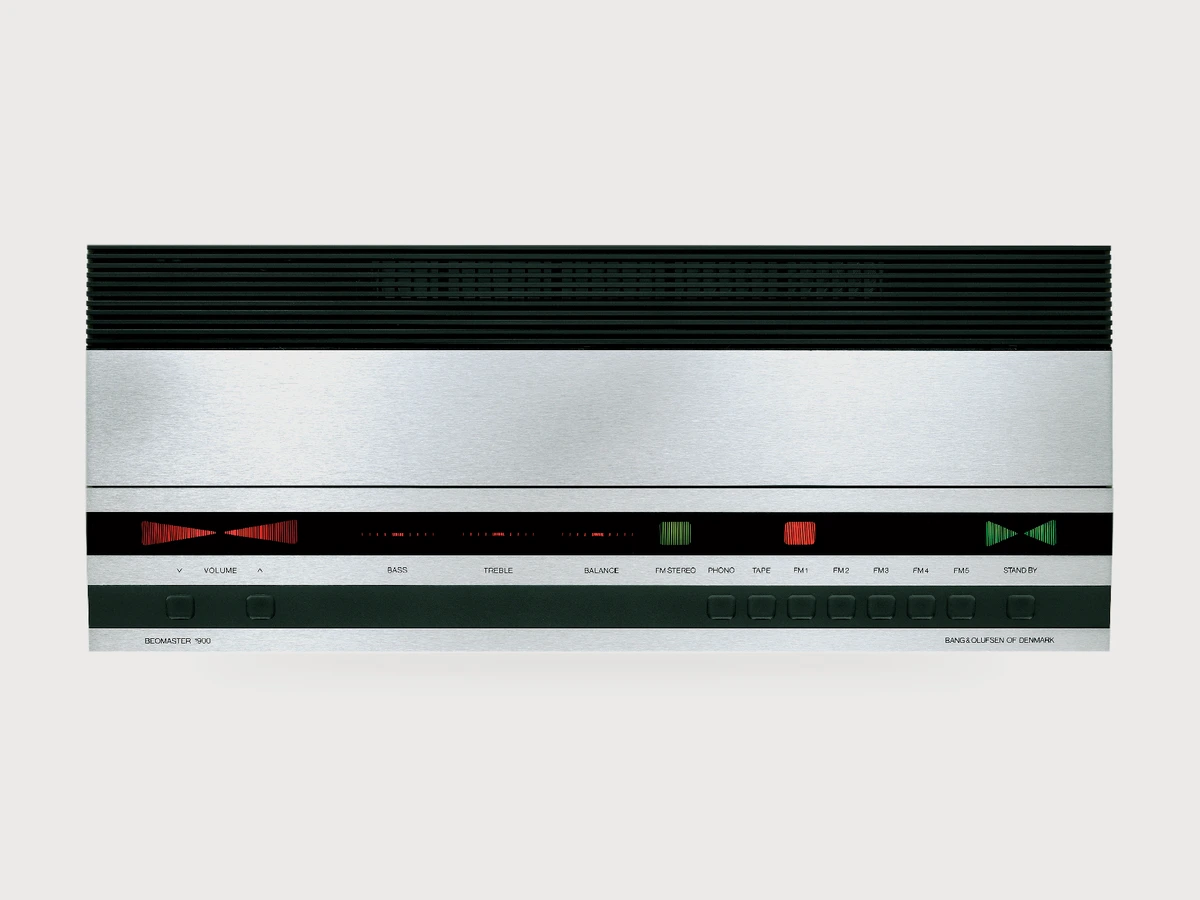
Beomaster 1900

Touch controls and adjustments beneath a lid separate everyday use from detailed settings. A direct link to the chapter on interfaces and system thinking.

Music systems

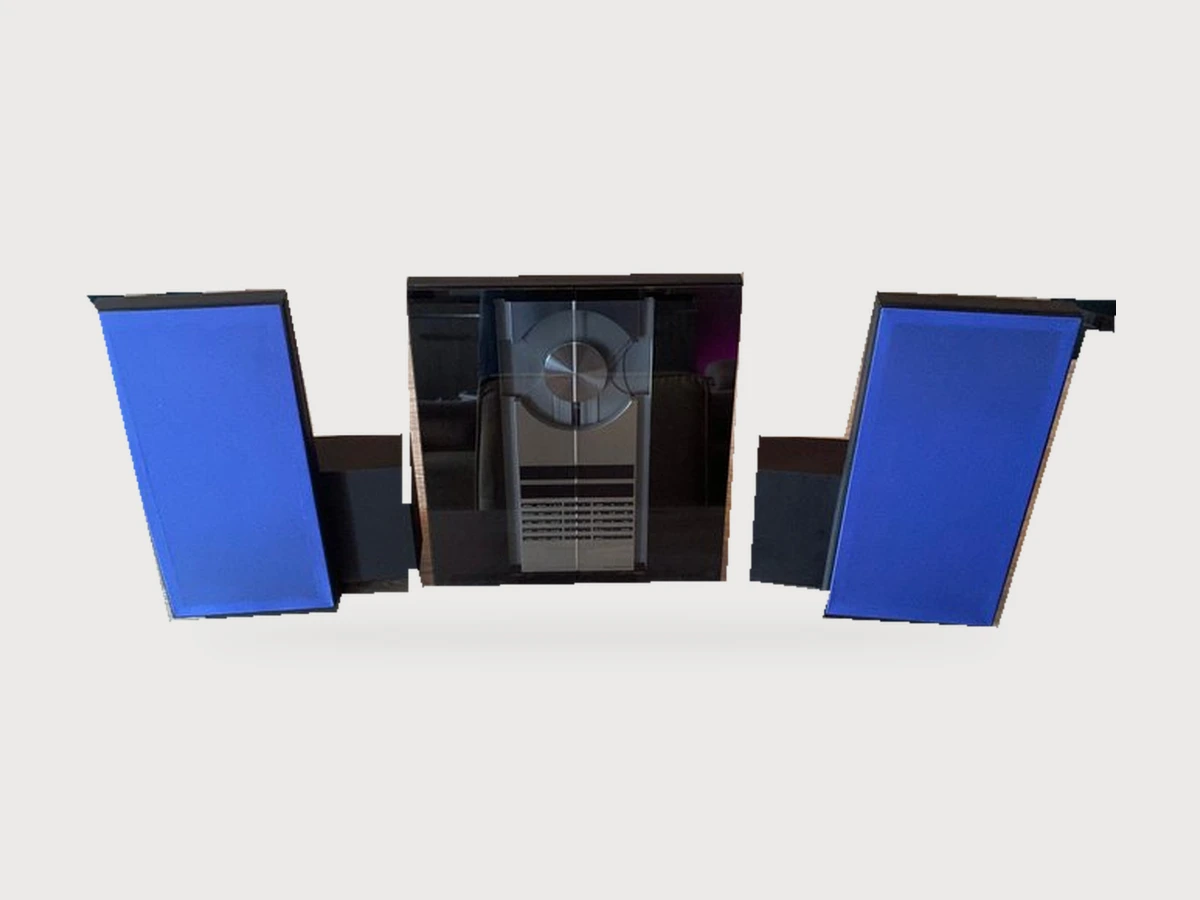
Beocenter 2300 + Beolab 2500

A music centre and two active speakers form a coherent whole. Glass doors, the visible disc and blue speaker covers bring source, controls and sound into one composition.

Playback & recording

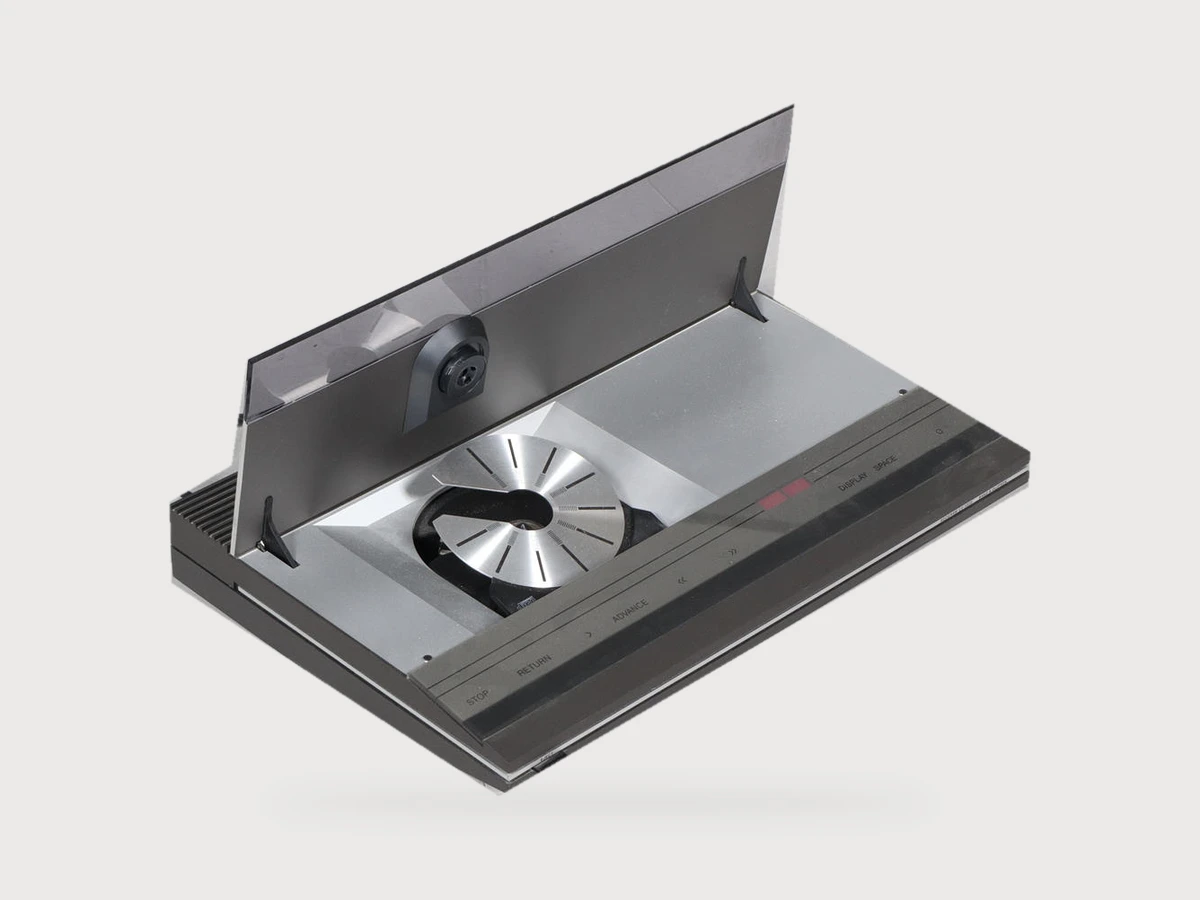
Beogram CD 3300

A separate CD player brings disc, lid and controls into a flat enclosure. Alongside the cassette component, it shows the shared design language of a modular system.

Playback & recording

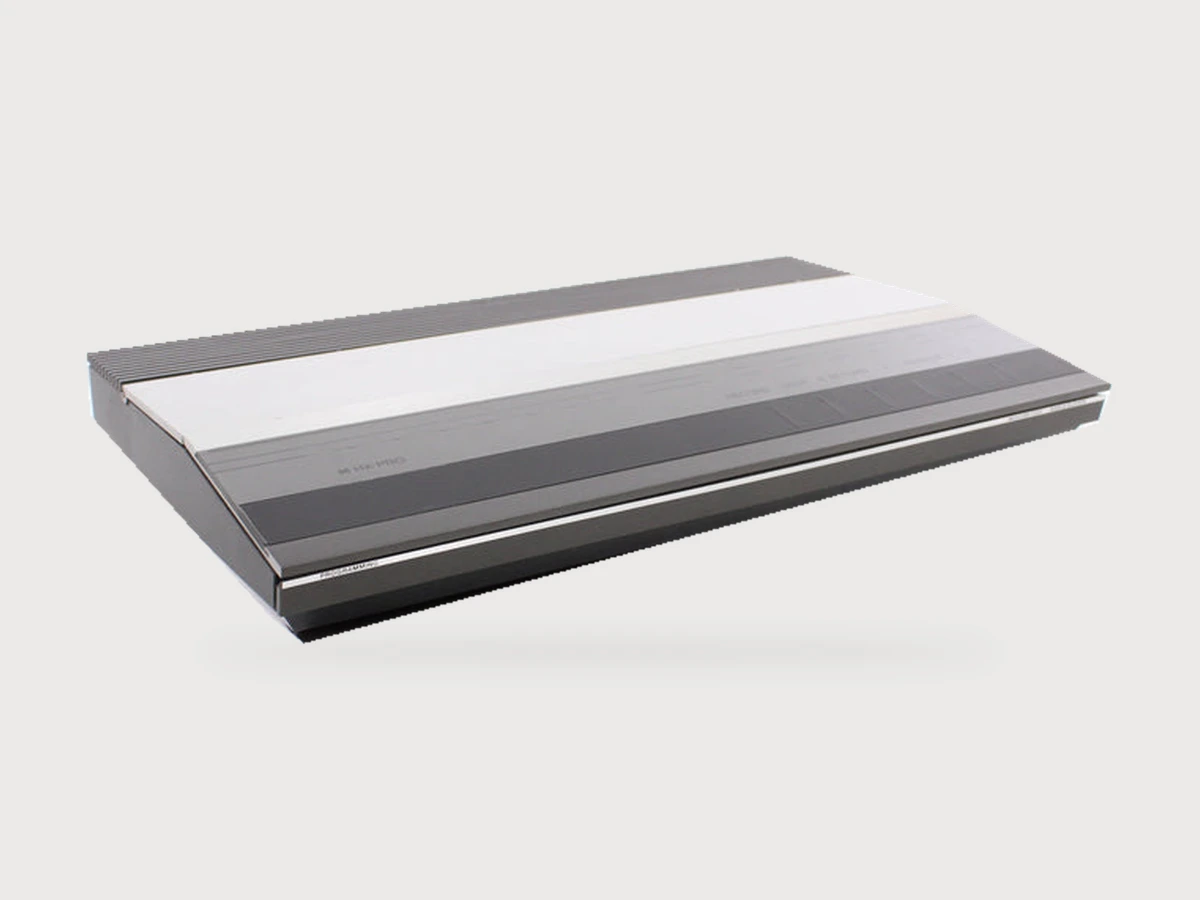
Beocord 3300

The cassette component of the 3300 series uses horizontal proportions, a metal fascia and restrained controls to relate to the other sources in the system.

Telephones

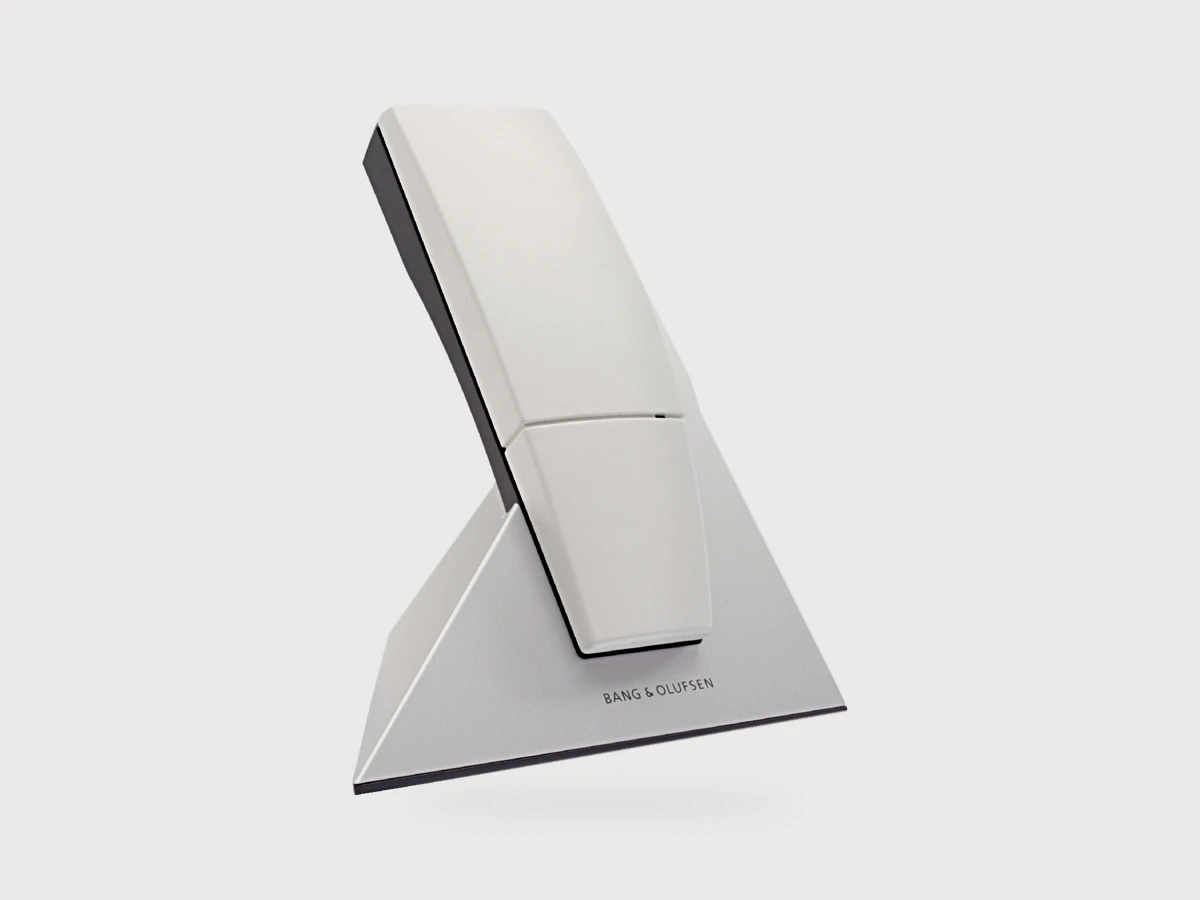
Beocom 6000

Handset and base form a distinctive silhouette. The telephone extends B&O design into selection, grip and everyday communication.

Music systems

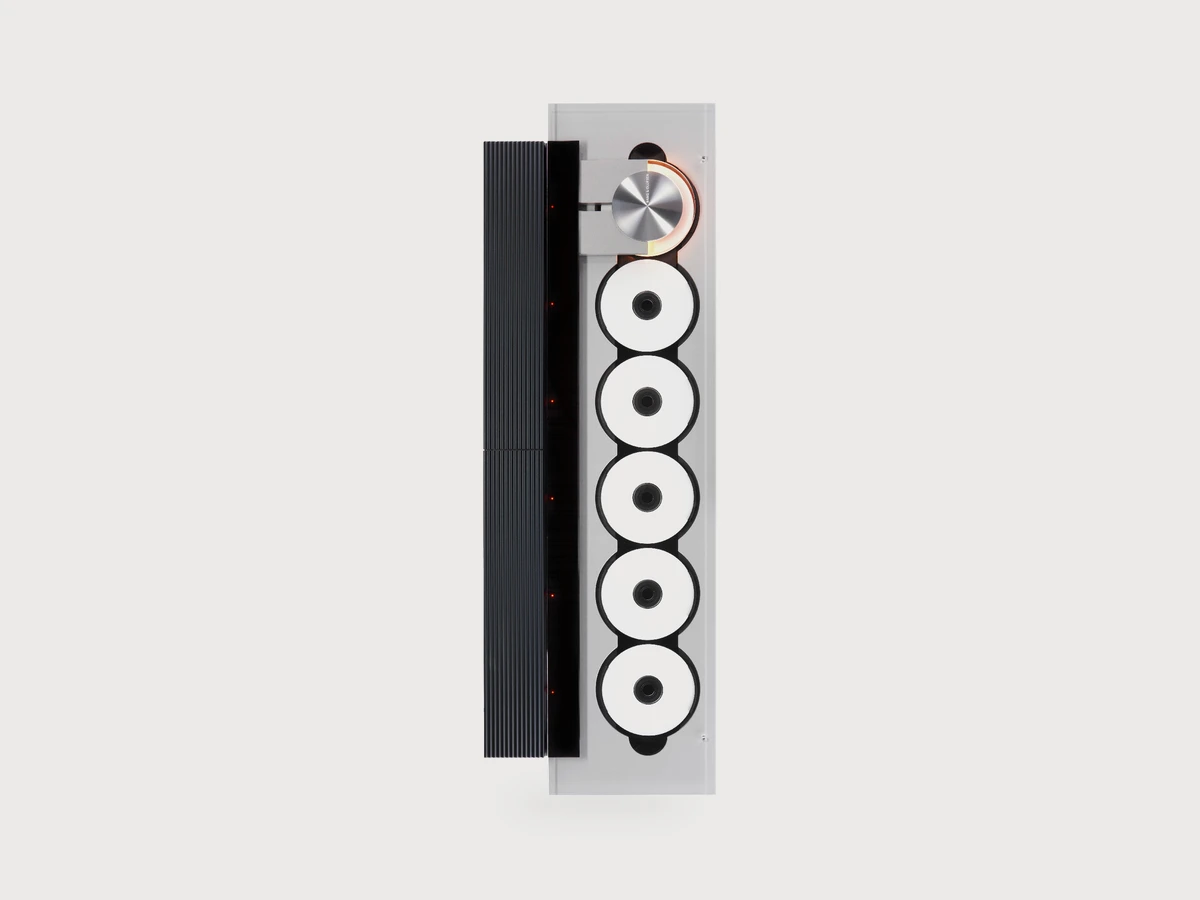
Beosound 9000 Mk III

Six CDs form a visible music collection, with a playing mechanism travelling between them. The exhibition uses it to connect mechanical movement, interface and music selection.

Music systems

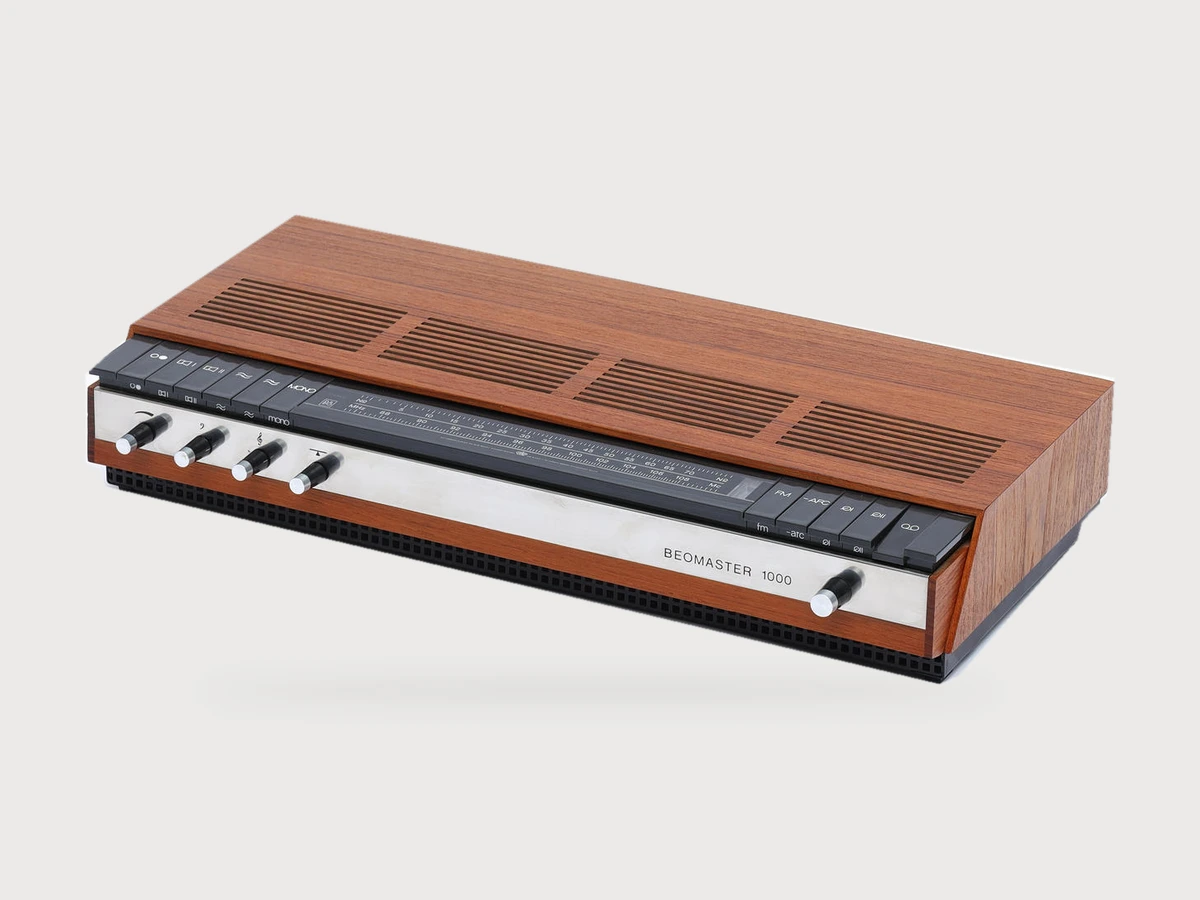
Beomaster 1000

A wood enclosure frames horizontal scales and a row of knobs, showing how a receiver and amplifier could become part of the home.

Music systems

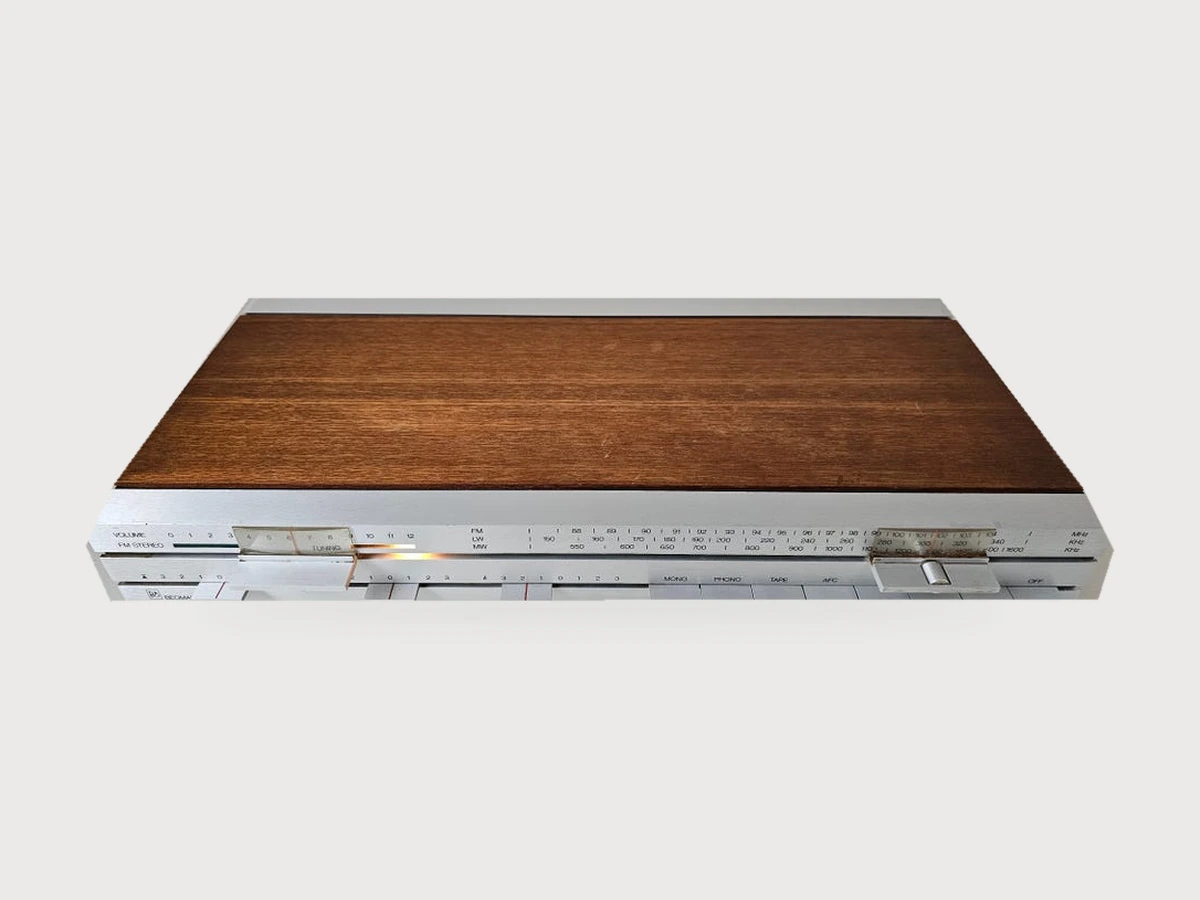
Beomaster 901

A low wood enclosure and metal fascia organize the audio controls into a clear horizontal interface.

Music systems

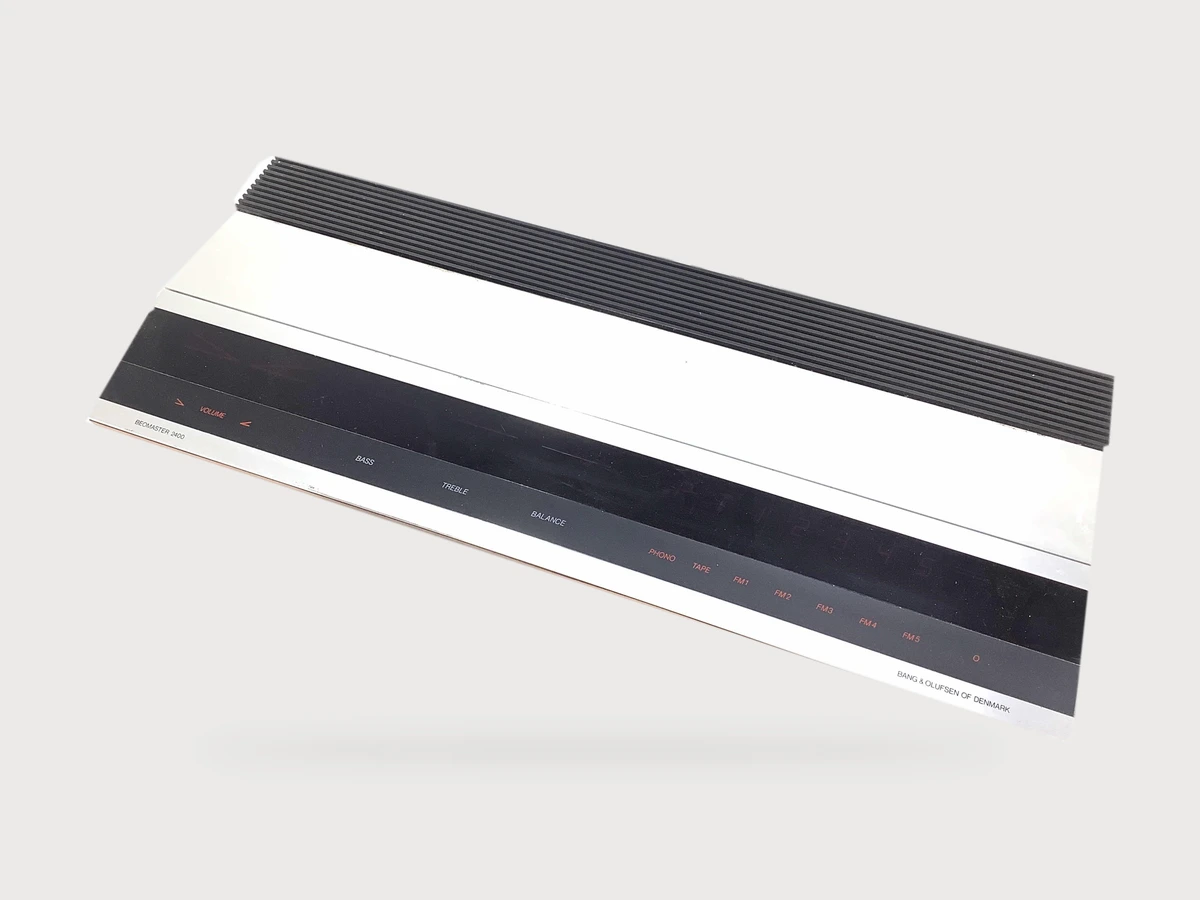
Beomaster 2400

Wood sides, a metal lid and a dark control strip form distinct zones, continuing the effort to organize many functions behind a restrained surface.

Music systems

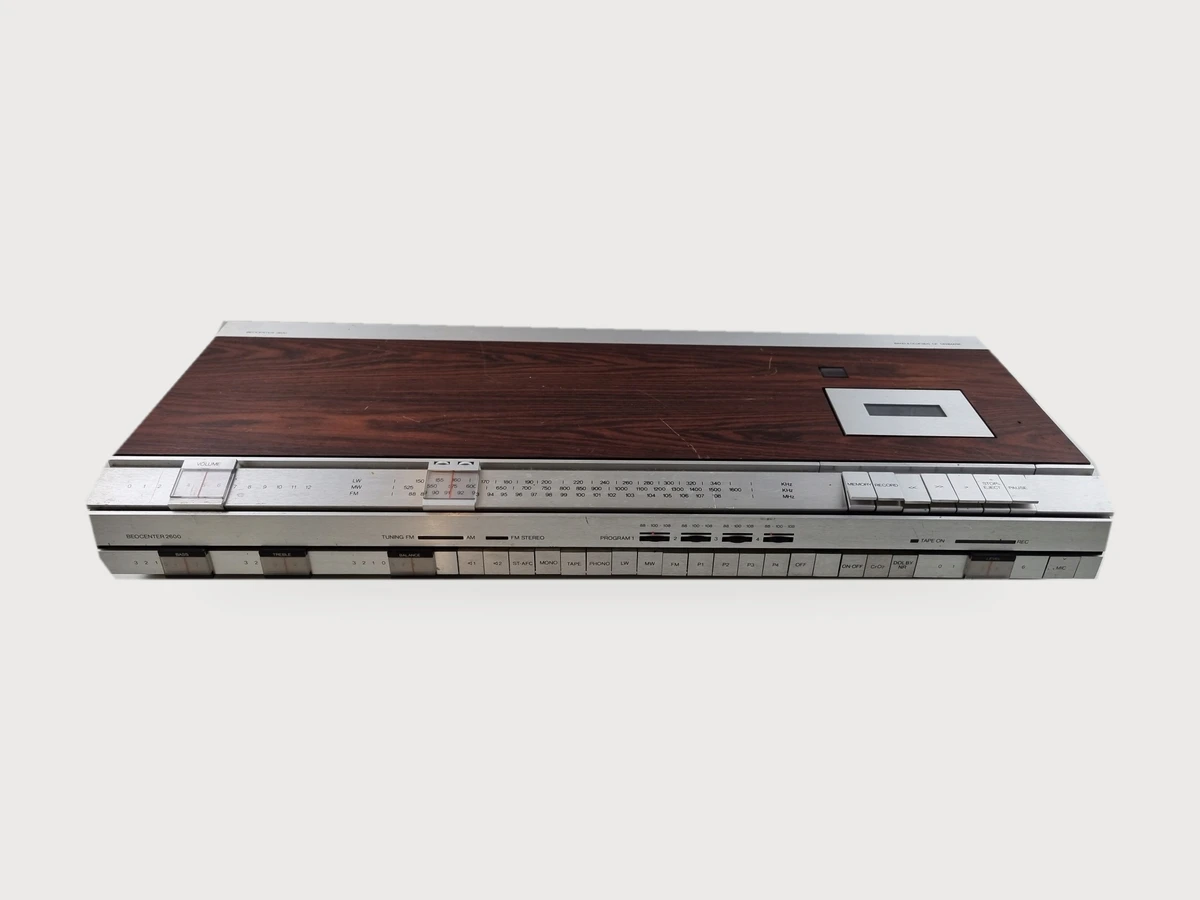
Beocenter 2600

A cassette section is set into the wood top, with everyday controls along a long front panel. Several listening functions share a single enclosure.

Music systems

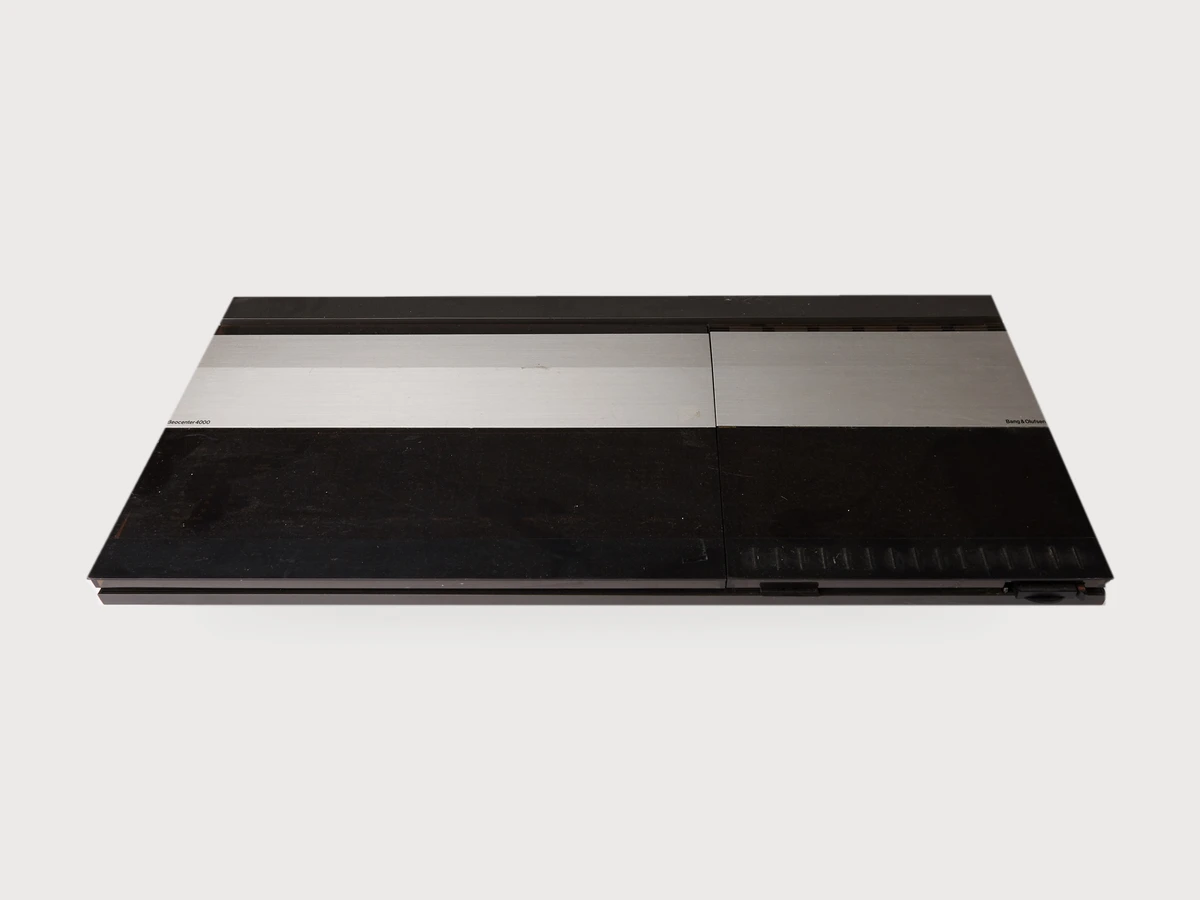
Beocenter 4000

A broad scale and grouped keys create a legible control surface, showing how a music centre organizes functions and information.

Music systems

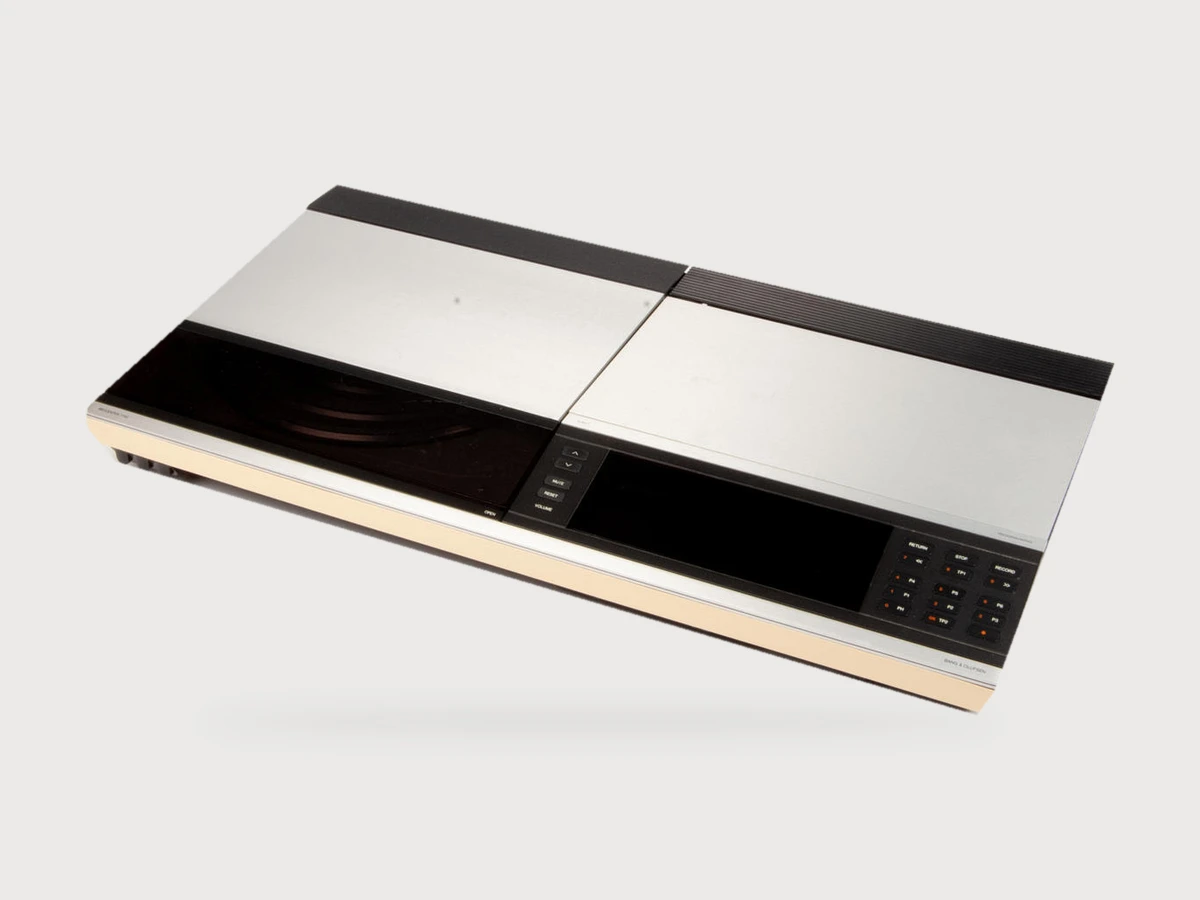
Beocenter 7700

A wide, flat enclosure brings record playback together with other sources. A transparent cover, metal panels and display form one composition.

Music systems

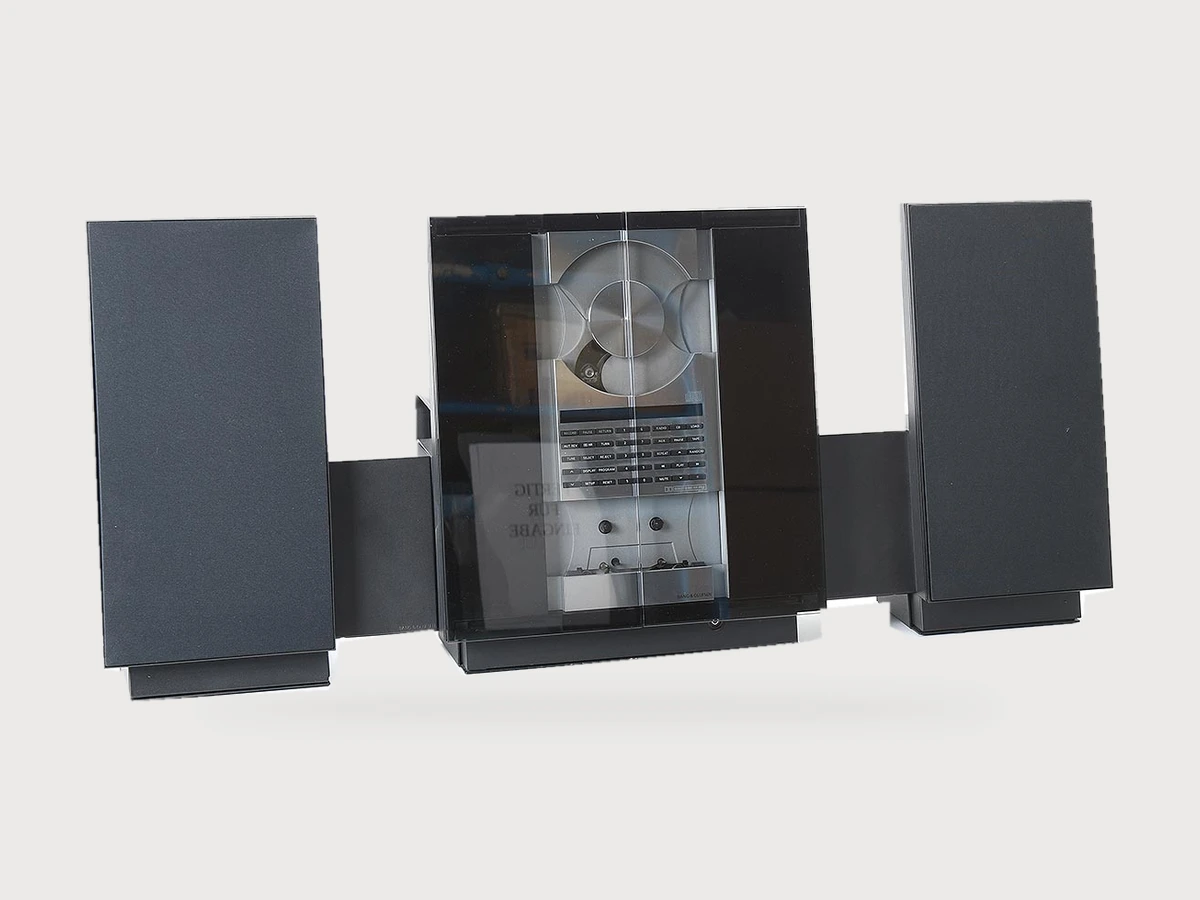
Beosound Ouverture

CD, cassette and radio sit behind glass doors, bringing different sources into one control system and extending the integrated music-centre idea.

Playback & recording

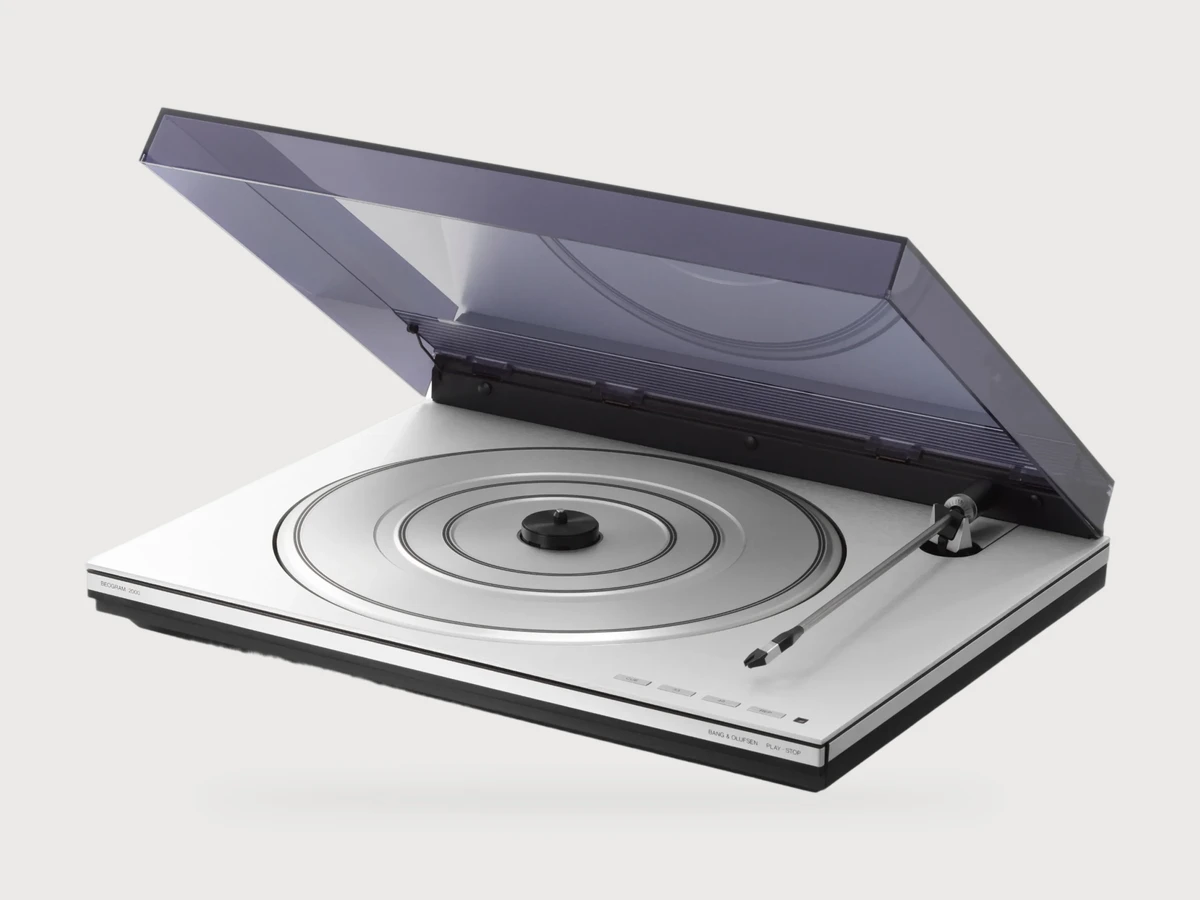
Beogram 2000

A transparent dust cover keeps platter and tonearm visible. Record playback connects a mechanical arrangement with the act of placing a record.

Playback & recording

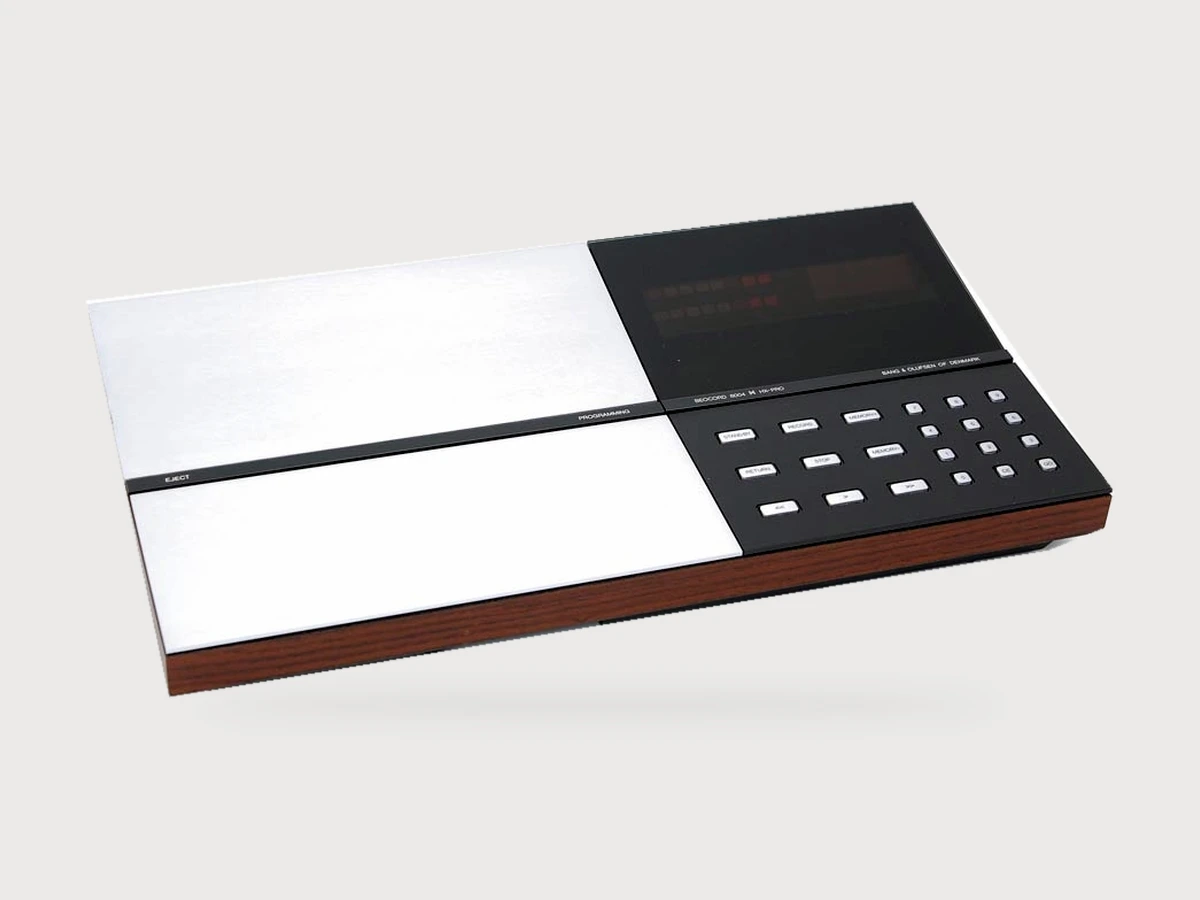
Beocord 8004

A metal panel, digital readout and grouped keys show the interface of cassette equipment moving toward electronic control.

Playback & recording

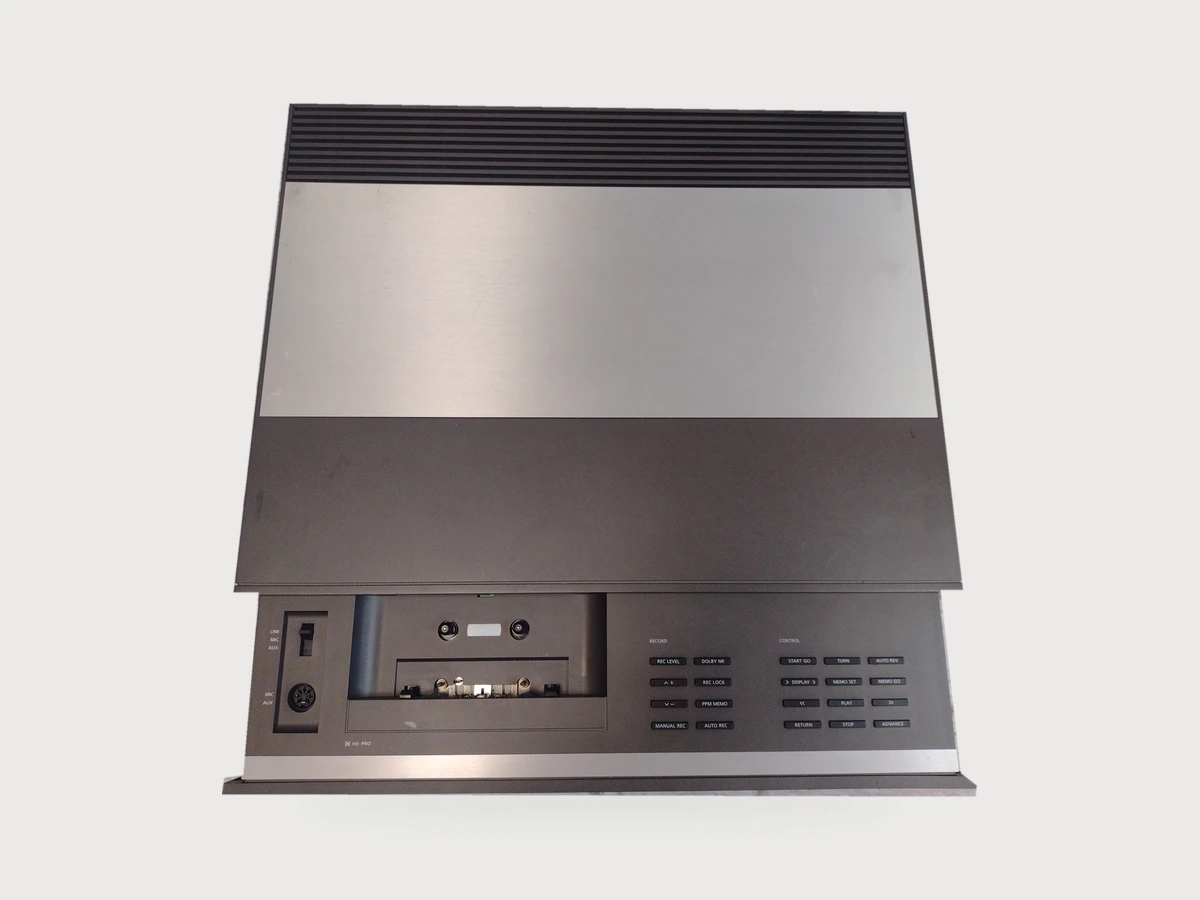
Beocord 5500

A restrained metal top and front cassette window show the horizontal proportions and coordinated appearance of a separate source component.

Playback & recording

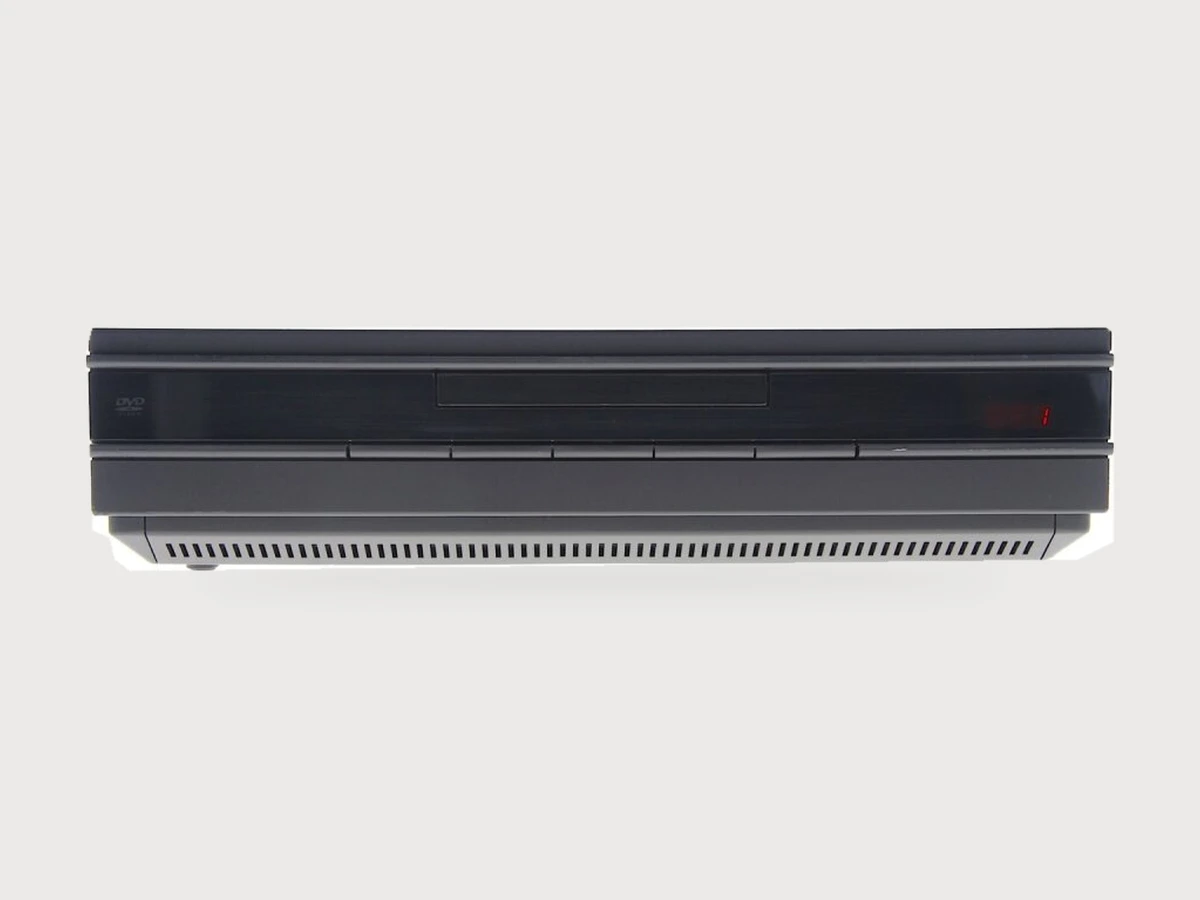
DVD 1

A black enclosure with fine horizontal layers brings video playback into the visual language of a complete audiovisual system.

Playback & recording

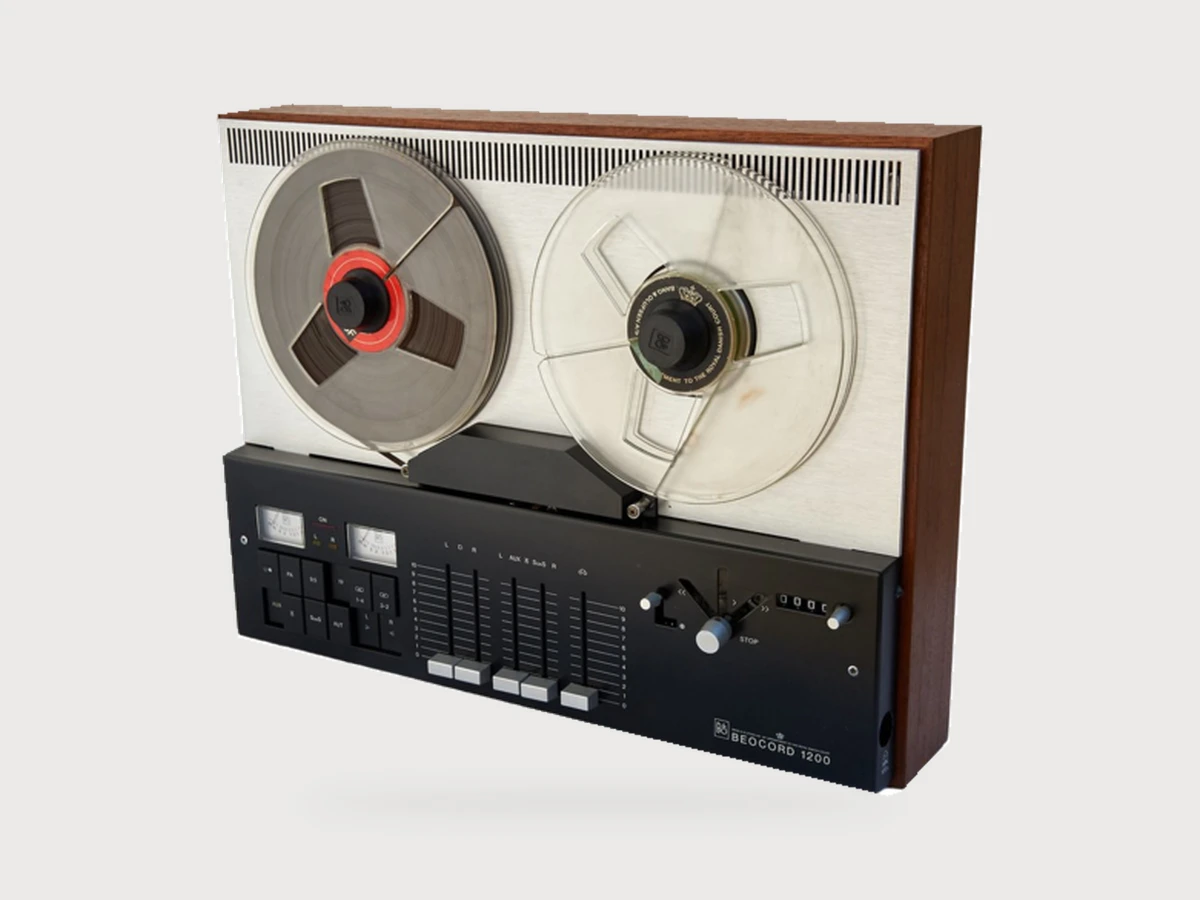
Beocord 1200

Open-reel tape keeps the recording medium, reels and playback process visible, preserving the tangible order of a mechanical medium.

Radios

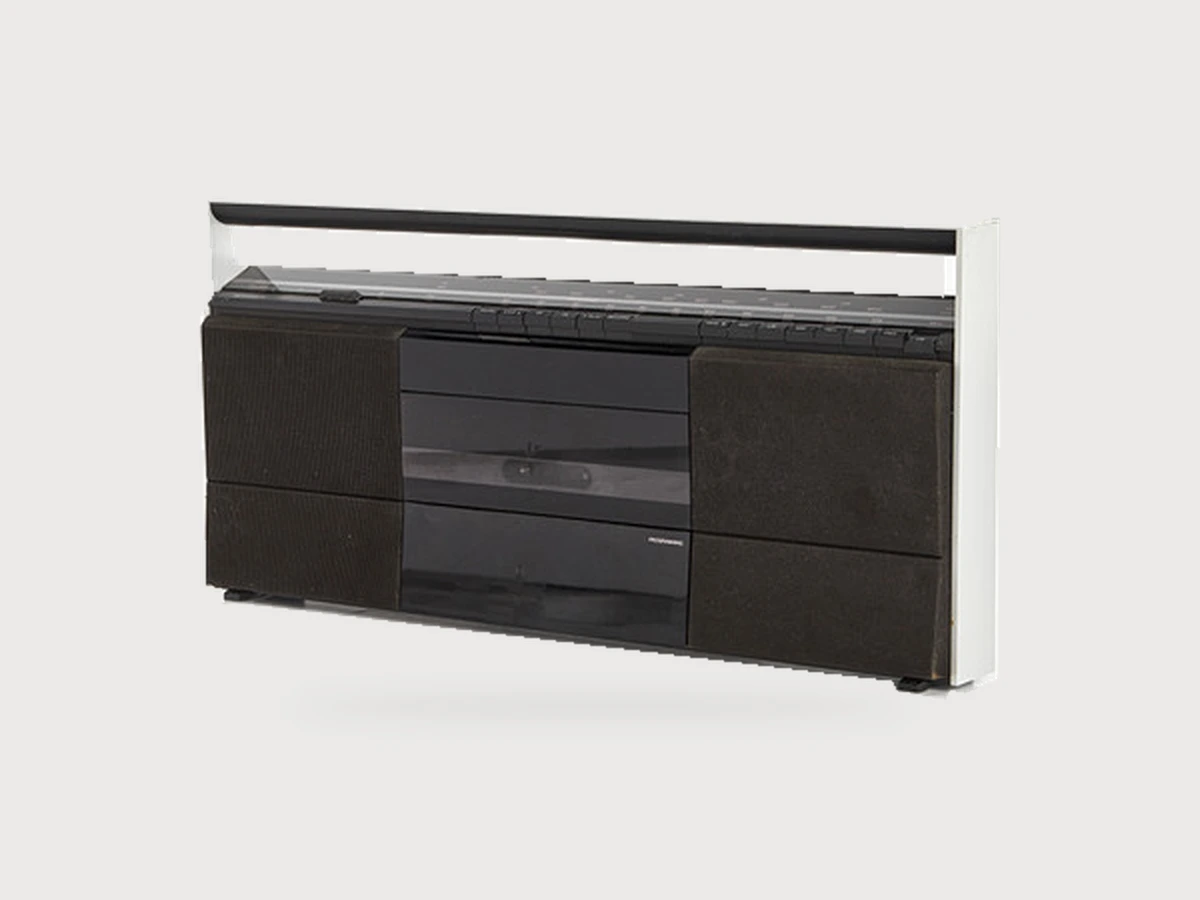
Beosystem 10

Radio and cassette share a portable enclosure, with speakers, sources and controls arranged around one movable device.

Radios

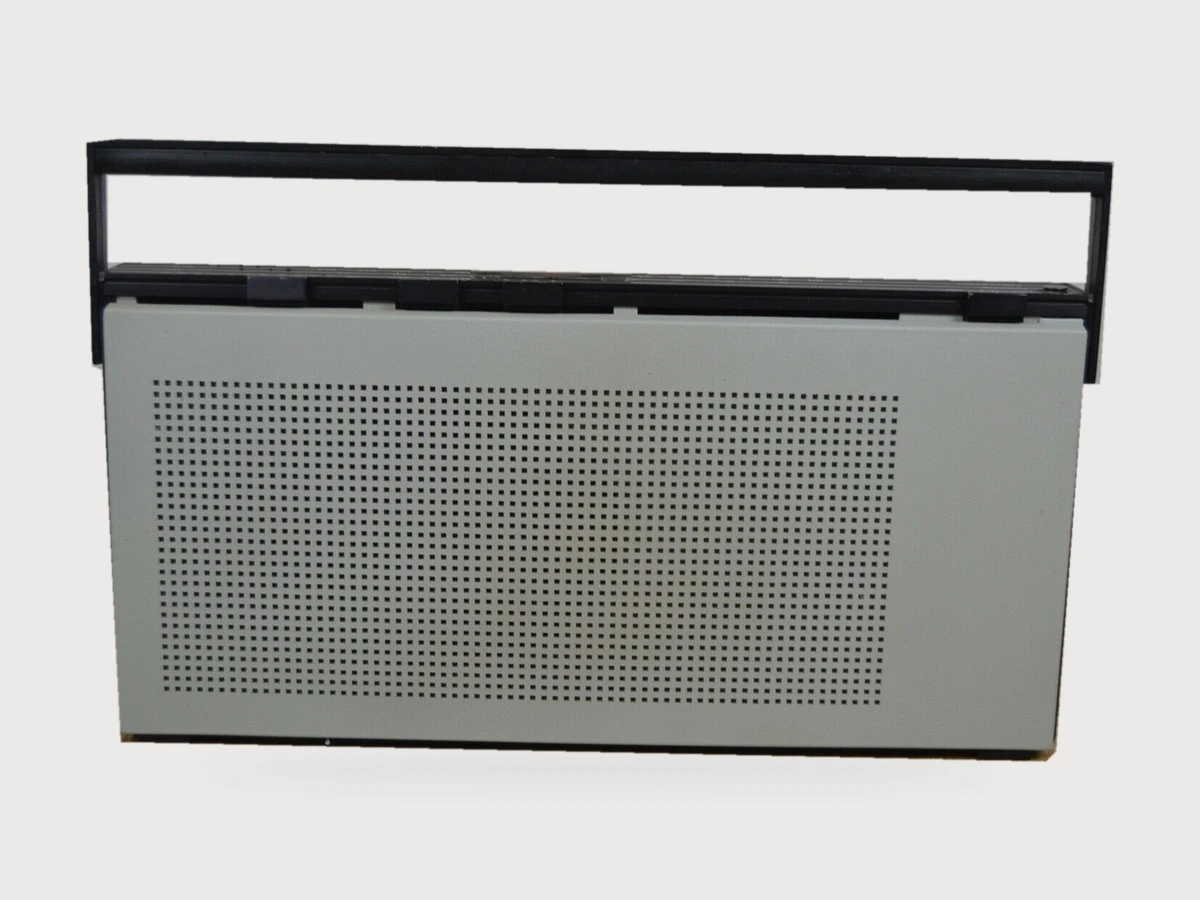
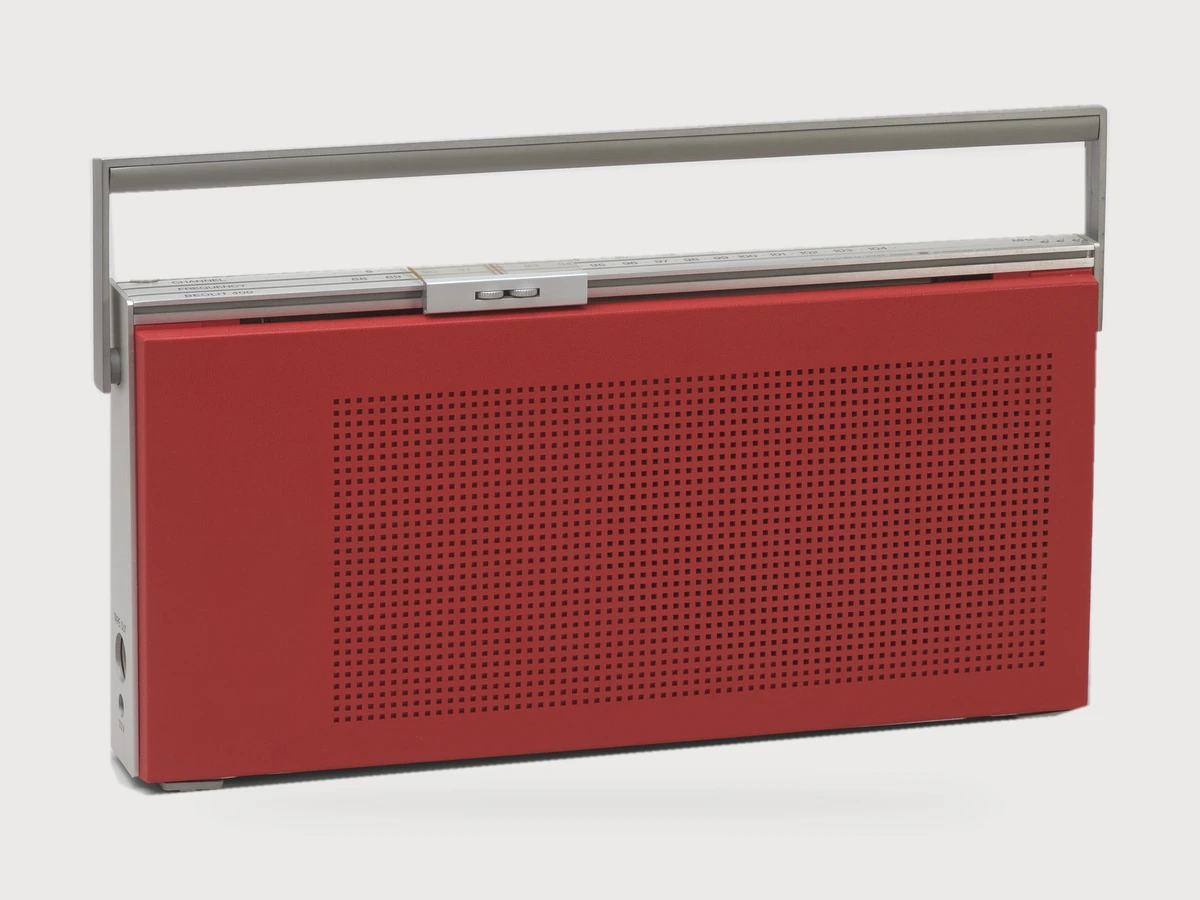
Beolit 600

A perforated panel and metal frame form a restrained rectangular silhouette, with carrying built into the design through its handle.

Radios

Beolit 505

A carrying handle, perforated panel and horizontal tuning scale organize the radio experience within a restrained enclosure.

Radios

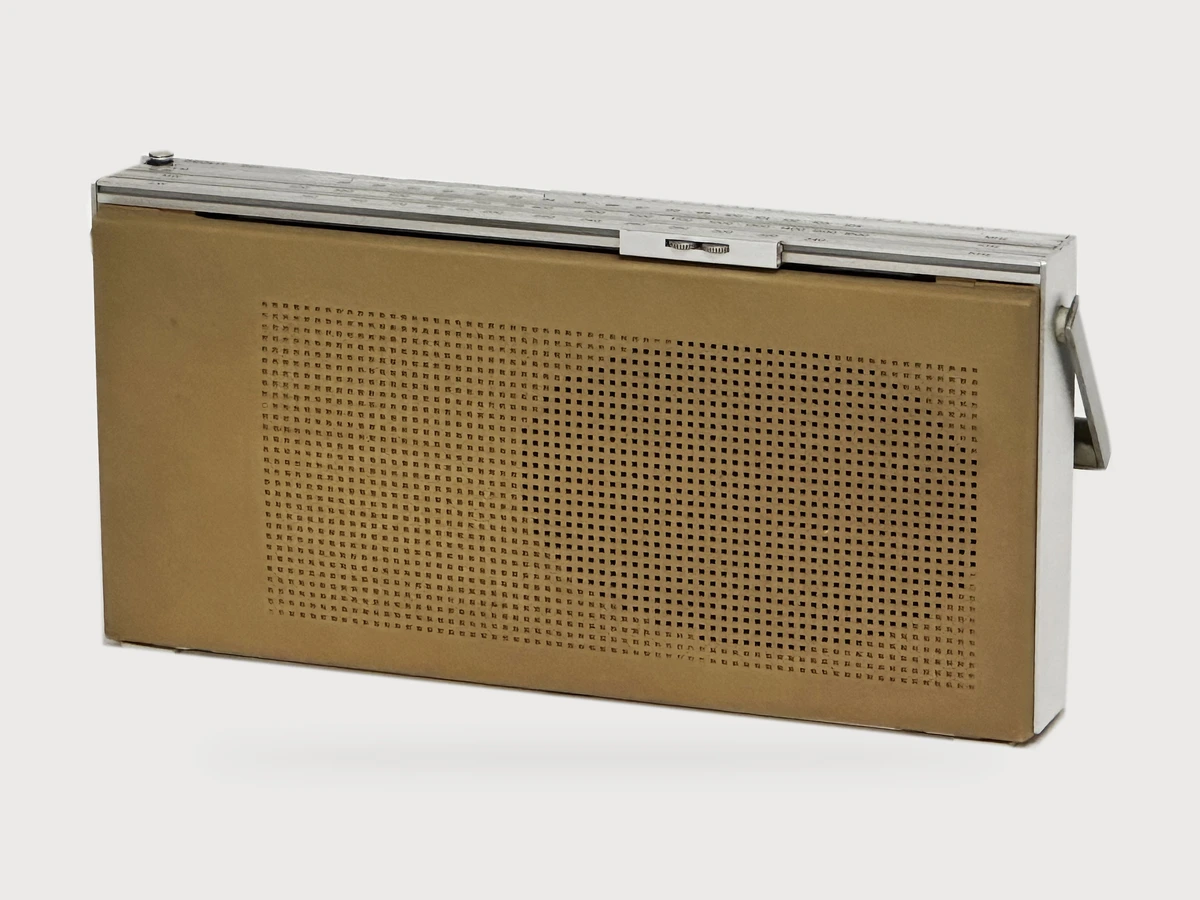
Beolit 400

A portable radio takes sound into different daily settings. Handle, enclosure and controls work together for listening on the move.

Loudspeakers

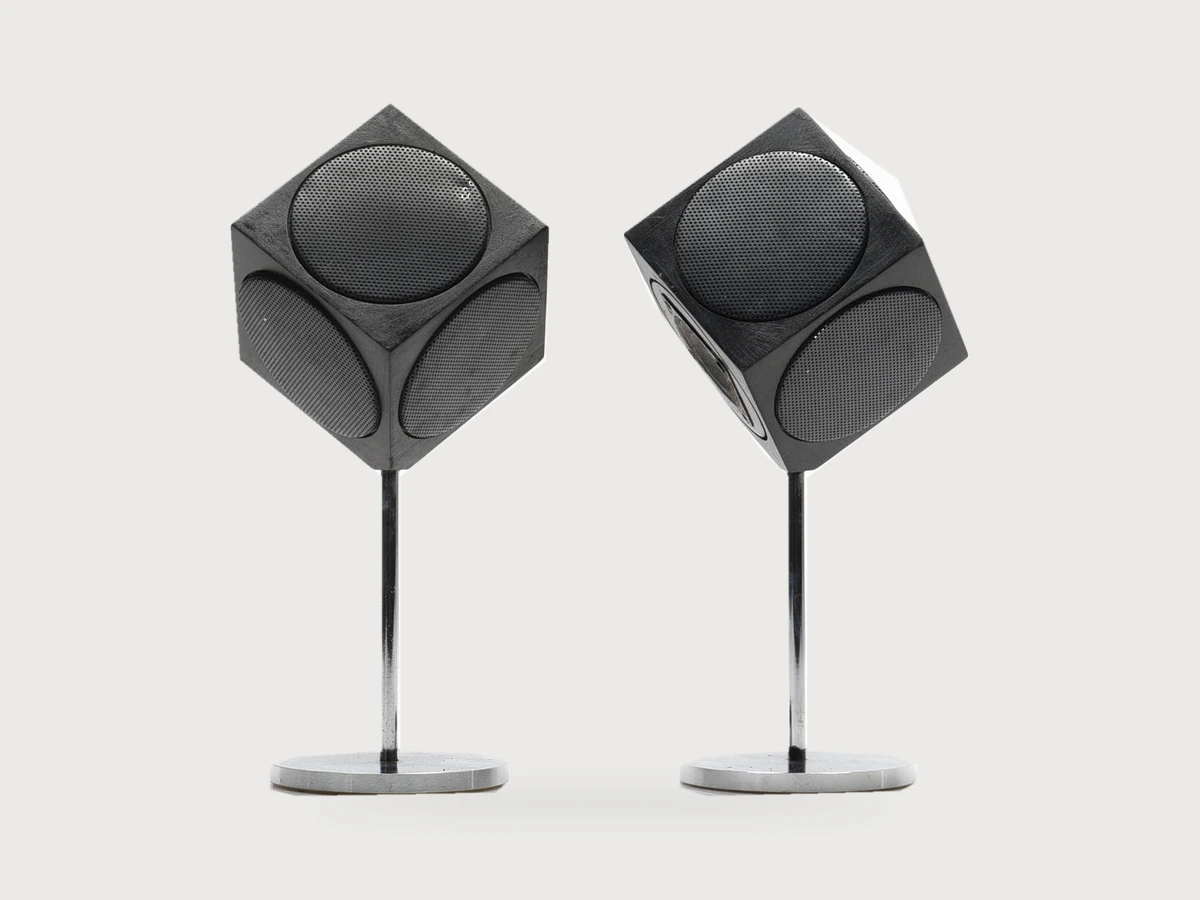
Beovox 2500

Cube forms face in several directions above slender stands, giving the loudspeakers a sculptural presence.

Loudspeakers

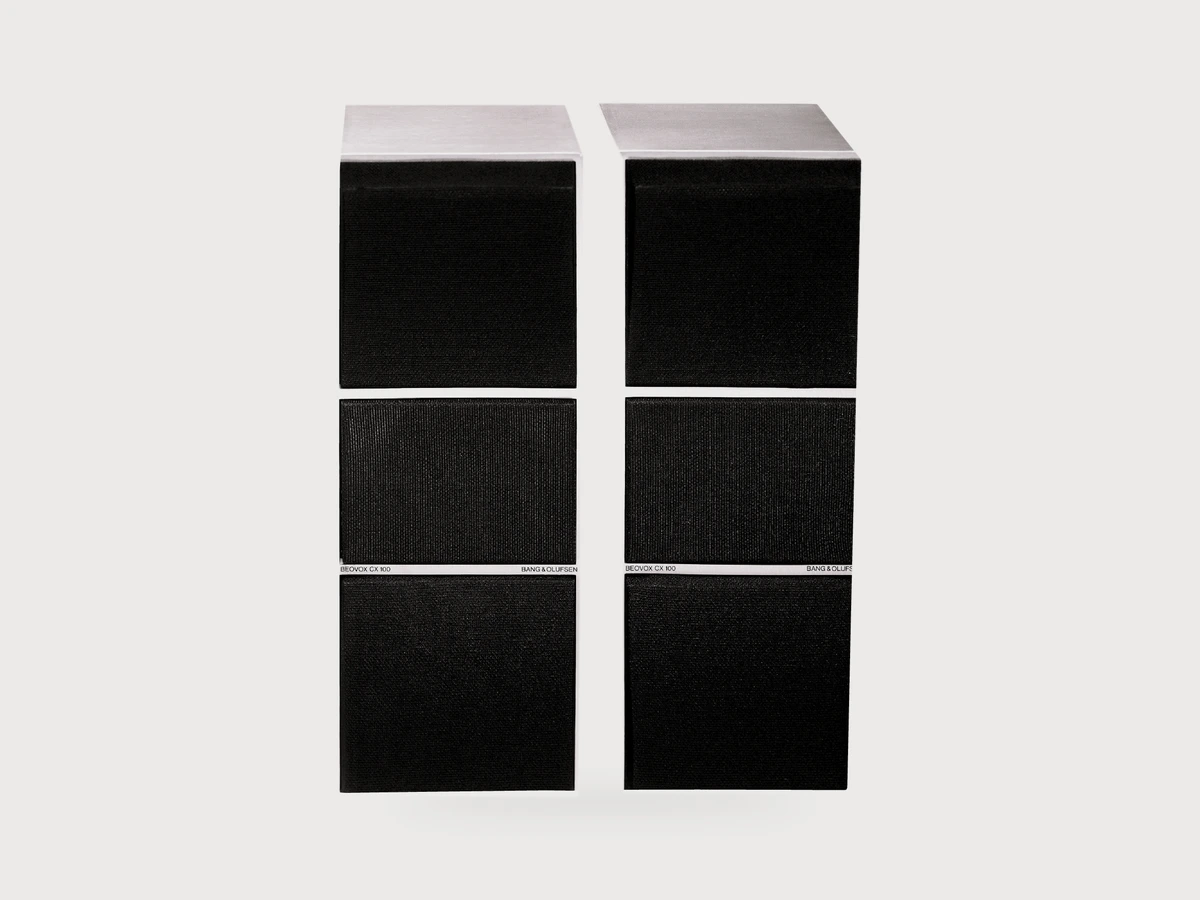
Beovox CX 100

A slim enclosure, metal frame and segmented grille show how compact loudspeakers can sit naturally within the home.

Loudspeakers

Beovox S75

A pair of cabinet loudspeakers represents the system approach in which separate speakers work with amplification equipment.

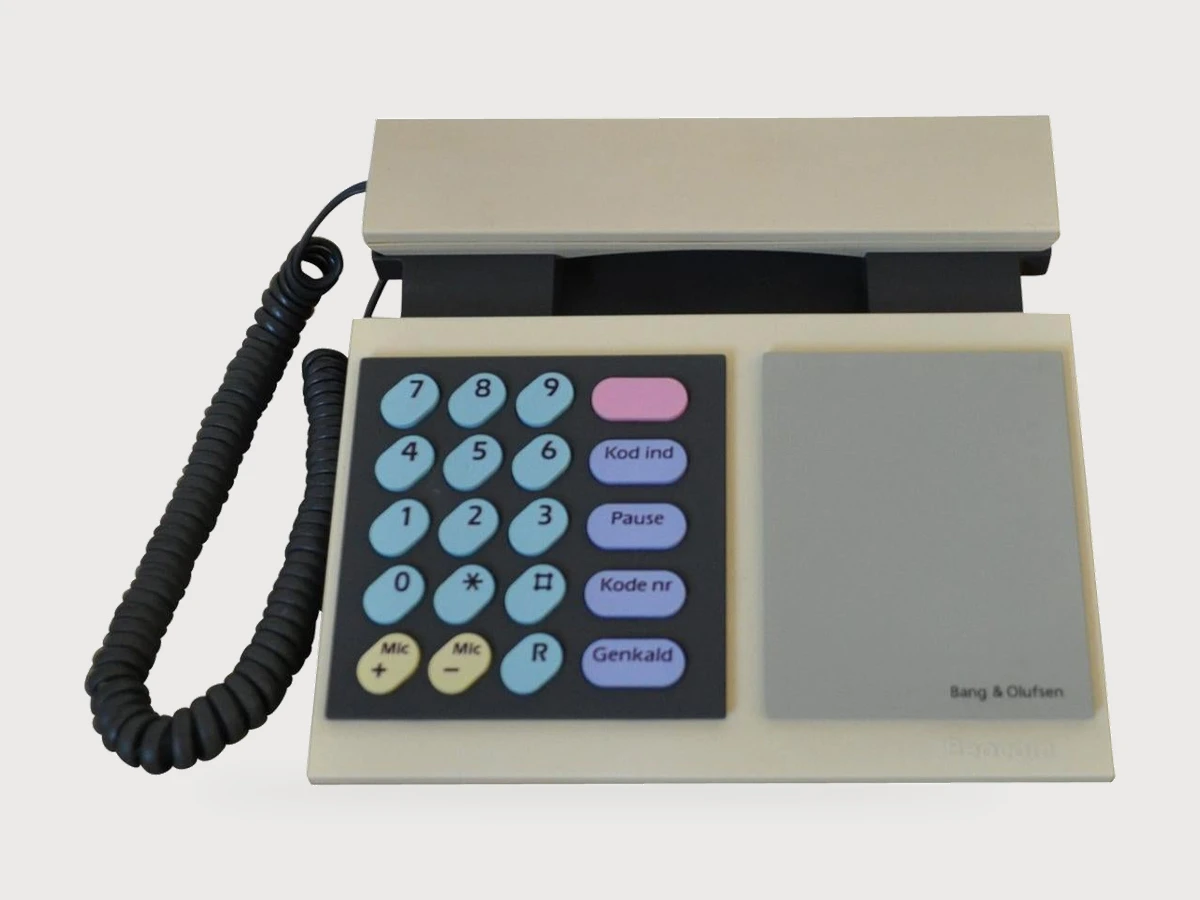
Telephones

Beocom 1000

Colour-coded keys give functions a clear order, while handset and base respond to the gestures of picking up and setting down. Everyday calls become a tactile and visual experience.

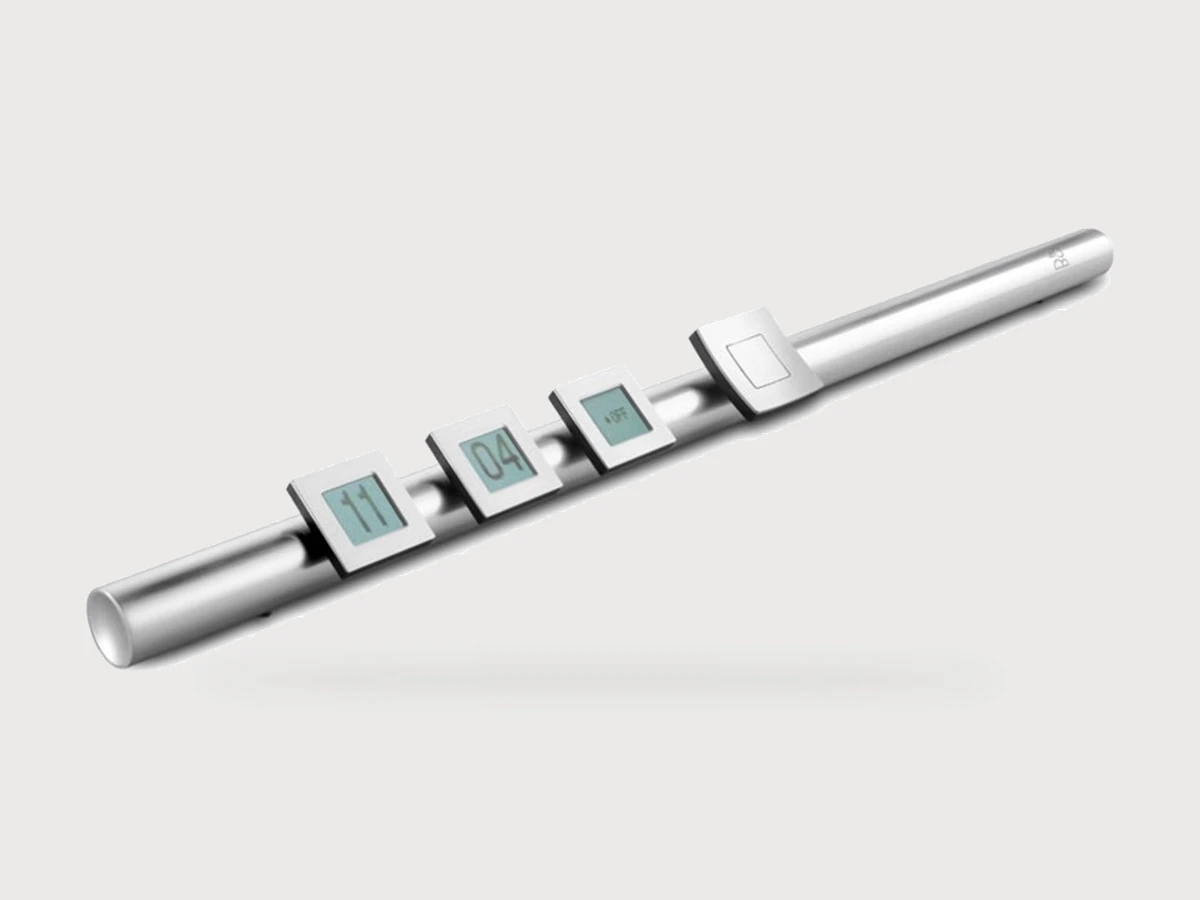
Everyday objects

BeoTime

A flute-like silhouette brings an alarm clock and audio control together, extending sound design into the daily act of waking.

Further collection records

Loudspeakers

Beovox CX 30

Metal sides frame a dark front grille, with a compact cabinet suited to a shelf or tabletop.

Loudspeakers

Beovox RL 35

A dark grille and external bands create a distinctive geometric relationship and an ordered cabinet form.

Loudspeakers

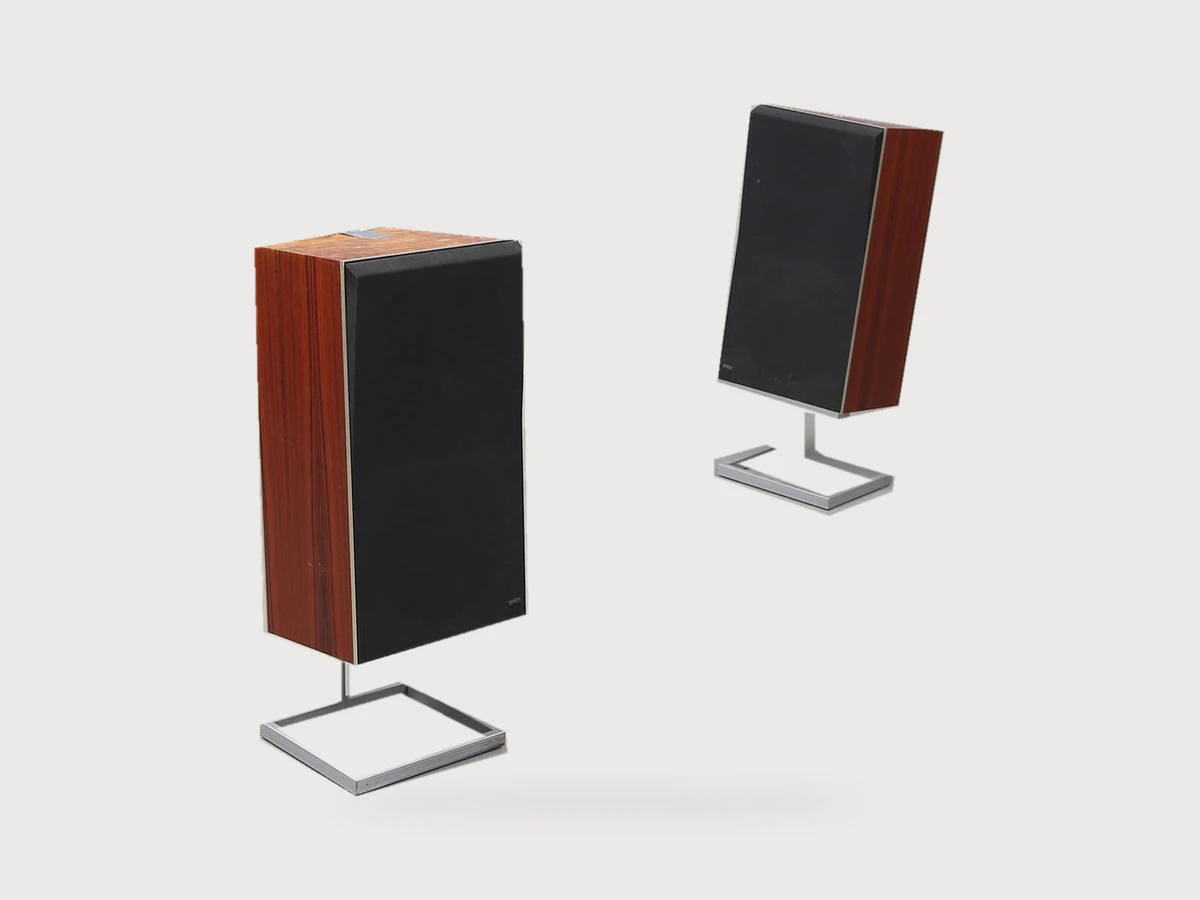
Beovox 1600

Wood cabinets surround dark grilles. The pair connects a stereo system with the material character of domestic furniture.

Loudspeakers

Beovox 45-2

The photograph exposes drivers of different sizes on the front baffle. A wood cabinet and the driver arrangement make the acoustic structure visible.

Everyday objects

B&O / Skagen watch

The watch in the collection list extends attention to proportion, materials and daily use into a personal object.

Radios

Red portable radio

A red enclosure, light front panel and gold-coloured handle bring colour, material and grip together in a portable radio.

Radios

Wood console radio

A tall wood cabinet places the tuning panel above the speaker grille, giving sound equipment the scale of a piece of furniture.

Product image sources

Visit the headquarters collection20F, Building 1, 68 Aoti Avenue, Jianye, Nanjing · By appointment

Contact Baiyin ↗

02 / FIND YOUR LISTENING SPACE

Nine stores. A place to listen.

Experience Bang & Olufsen in Shanghai, Nanjing, Hangzhou, Suzhou, Wuxi and Ningbo. Choose a store and talk to us about your music, your life and your space.

9 stores

Contact your chosen store by phone or through the brand’s booking page to arrange your visit.